

Afghanistan’s worsening humanitarian crisis is forcing thousands of families into painful survival decisions, with some parents reportedly selling children or arranging early marriages just to secure food and shelter. Aid groups warn that rising hunger, economic collapse and years of instability are pushing vulnerable communities beyond breaking point.
Highlights
- Severe poverty is driving some Afghan families to sell children or arrange child marriages.
- Aid agencies say millions are facing acute hunger and food insecurity.
- Parents report surviving on one meal a day or relying on scraps to stay alive.
- Restrictions on women’s employment and reduced foreign aid have worsened the crisis.
- Human rights groups warn children, especially girls, face growing exploitation risks.
Main Story
Families Trapped by Hunger and Poverty
Across Afghanistan, many households are struggling to survive as worsening poverty continues to devastate communities already weakened by years of conflict and instability.
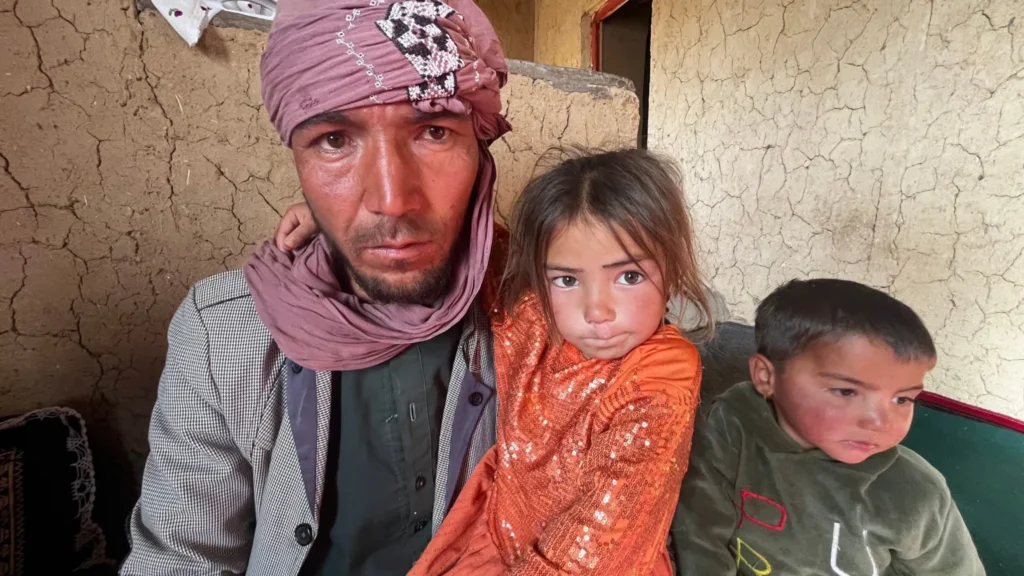
Humanitarian organizations say some parents have been forced into desperate measures, including giving away infants to childless families or arranging marriages for very young daughters in exchange for money, food, or debt relief.
For many families, the payments received are small and only provide temporary survival support before hardship returns again.
Children Bearing the Heaviest Burden
Aid agencies working in Afghanistan say children are among the biggest victims of the ongoing crisis.
Some parents interviewed by humanitarian groups described surviving on bread and tea for days, while others said they rely on discarded vegetables or reduce meals to once daily because they cannot afford food.
Reports also indicate that increasing numbers of children are being pushed into labor to help families earn income.
Health organizations warn that severe malnutrition continues to rise in several regions, leaving many children vulnerable to illness and long-term health complications.
Economic Collapse Worsens Conditions
Afghanistan’s economy has remained under intense pressure since the Taliban regained control in 2021.
Cuts in international aid, frozen financial assets, prolonged drought and restrictions affecting women’s employment opportunities have all contributed to the worsening situation.
Humanitarian agencies estimate that millions of Afghans are currently facing acute food insecurity, with many communities struggling to access basic necessities such as healthcare, clean water and education.
Growing Concerns Over Child Marriages
Human rights organizations have raised alarm over the increase in child marriages linked to poverty and desperation.
Critics argue that vulnerable families are being pressured into exchanging daughters for dowries or support arrangements that expose young girls to exploitation and abuse.
Advocacy groups warn that the emotional and psychological impact on affected children could last for years, especially as many lose access to education and normal childhood experiences.
Calls for International Support
Aid organizations continue to urge the global community to increase humanitarian assistance and rebuild support systems that can help Afghan families recover.
Relief agencies say immediate intervention is needed to prevent more families from facing impossible choices between hunger and the safety of their children.
Without stronger international support, experts fear the crisis could deepen even further in the coming months.
Read Also
- Shock and Mourning After Fatal Attack at San Diego Islamic Center
- Kenya Grinds to a Halt as Matatu Strike Enters Day Two
- Kenya Power Schedules 9-Hour Blackouts Across 10 Counties

