
The Tasmanian government has issued a long-awaited apology after revelations that human body parts taken during autopsies were secretly kept and, in some cases, displayed without family consent for decades. The disturbing practice, now described as a serious violation of trust and ethics, has left affected families grappling with renewed grief and unanswered questions.
Highlights:
- Government apologises over decades-old retention of human body parts
- 177 human specimens reportedly collected without consent between 1966 and 1991
- Items included organs and tissue stored at a Hobart pathology museum
- Investigation found breaches of Australia’s Coroners Act
- University of Tasmania also acknowledges role and issues apology
Main Story:
A Painful Chapter Revisited
The Tasmanian government has formally acknowledged its role in a long-running controversy involving the unlawful retention of human remains. Health officials admitted that families were deeply wronged after discovering that body parts from deceased relatives were kept without consent for years.
Health Minister Bridget Archer delivered the apology in parliament, describing the actions as a serious breach of trust that inflicted lasting emotional harm on grieving families.
Findings of the Investigation
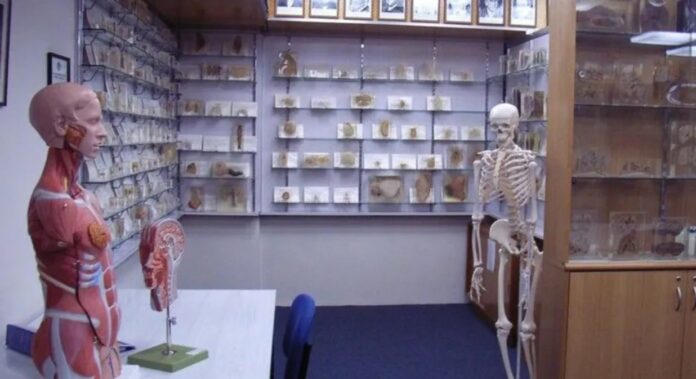
A coronial investigation uncovered that between 1966 and 1991, pathologists may have collected and stored around 177 human specimens following autopsies. These included organs and tissue samples that were later transferred to the R.A. Rodda Pathology Museum in Hobart.
The investigation further established that the practice went against legal requirements, which only allow the retention of body parts strictly for determining causes of death.
How the Scandal Came to Light
Concerns were first raised in 2016 after questions emerged about human specimens being displayed at a University of Tasmania museum. This triggered a deeper review, eventually exposing long-standing procedures that lacked family consent and proper authorisation.
Authorities later confirmed that the actions violated ethical and legal standards governing post-mortem examinations.
Government and University Response
During the parliamentary session, Minister Archer directly addressed affected families, acknowledging that the remains represented more than medical specimens; they were part of loved ones whose dignity had been compromised.
The University of Tasmania also issued an apology, with Deputy Vice-Chancellor Graeme Zosky expressing regret and pledging continued support for impacted families as they come to terms with the findings.
Read Also:
- DP Kindiki Condemns Chaos During Nationwide Matatu Protests
- Kitengela Commuters Breathe Easy as Matatu Fares Drop After Strike Suspension
- Kenyans Can Now Visit Togo Visa-Free in New Policy Shift

