
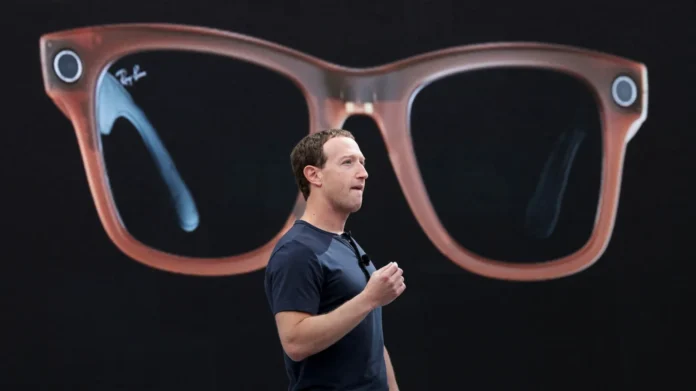
AI-powered smart glasses are rapidly becoming one of the most talked-about gadgets in the tech world, but not everyone is excited. As sales of Ray-Ban Meta Smart Glasses continue to rise globally, privacy advocates are sounding the alarm over fears that the devices could normalize constant surveillance in everyday life.
Highlights
- Privacy activists are raising concerns over AI smart glasses.
- Critics say the devices enable discreet recording in public spaces.
- Meta faces lawsuits over how recorded footage was handled.
- More than 70 organizations oppose possible facial-recognition features.
- Online users say camera-equipped eyewear makes people uncomfortable.
Main Story
The growing popularity of AI-powered smart glasses has triggered a heated debate about privacy, surveillance, and how far wearable technology should go.
At the center of the discussion are Ray-Ban Meta Smart Glasses, developed through a partnership between Meta and EssilorLuxottica. The glasses allow users to capture photos, record videos, listen to audio, and interact with AI assistants directly from their eyewear.
Concerns Over Recording and Data Collection
Privacy campaigners argue that the glasses make it easier for people to record others discreetly in public spaces, often without consent or awareness.
The backlash intensified after reports emerged that some footage captured through the devices was reviewed by human moderators during AI training and moderation processes. Critics say the revelations have fueled fears over how personal data and private moments could be stored, processed, or accessed.
Meta is also facing legal challenges in the United States from consumers who claim they were not clearly informed about how recordings and user data might be handled.
Facial Recognition Fears
Another major concern revolves around the possibility of future facial-recognition technology being added to smart glasses.
More than 70 privacy and civil rights organizations have reportedly urged Meta to avoid introducing “Name Tag”-style recognition systems. Activists warn that such features could create new risks involving stalking, harassment, and mass surveillance in public environments.
Experts say wearable AI devices could eventually blur the line between convenience and invasive monitoring if regulations fail to keep pace with the technology.
Demand Remains High
Despite the criticism, consumer demand for the glasses continues to grow.
EssilorLuxottica recently reported strong sales growth linked to the smart eyewear line, while newer display-equipped models have reportedly faced supply shortages due to overwhelming demand.
Online discussions show divided opinions. While some users see the glasses as an exciting glimpse into the future of wearable tech, others have described them as a “privacy ticking bomb.”
Several users on Reddit also claimed they stopped wearing the glasses after noticing discomfort from people around them who felt uneasy being near camera-equipped eyewear.
Read Also
- Activists Fear New Forest Bill Could Threaten Kenya’s Protected Ecosystems
- Ethiopian marathon runner Melese dies aged 36
- NBA Star Brandon Clarke Dies at 29, Grizzlies Left Heartbroken

