
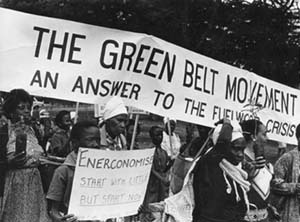
A fresh environmental debate is brewing in Kenya after the Green Belt Movement strongly opposed proposed changes to the country’s forest laws. The organisation says the amendments could pave the way for roads, utilities, and other developments inside protected forests, raising fears of increased deforestation and land misuse.
Highlights
- The Green Belt Movement has rejected proposed changes to Kenya’s forest laws.
- The amendment would allow easements for public projects inside forests.
- Activists fear the move could encourage commercial encroachment.
- Karura, Aberdare, and Ngong Road forests were cited as vulnerable areas.
- The movement was founded by Nobel laureate Wangari Maathai.
Main Story
Environmental activists in Kenya are pushing back against proposed amendments to the country’s forest conservation laws, warning that the changes could weaken protections for public forests.
The criticism comes from the Green Belt Movement, which says the proposed amendment to Section 56(2) of the Forest Conservation and Management Act could create room for infrastructure and commercial activities within protected forest areas.
Under the proposal, the Kenya Forest Service would be allowed to issue easements for projects such as roads, power lines, utilities, and other public installations inside gazetted forests.
Concerns Over Environmental Damage
Conservation groups argue that while the projects may be presented as serving public interests, the law could eventually be used to justify large-scale encroachment into environmentally sensitive areas.
The Green Belt Movement described the proposal as a risky legal opening that may accelerate destruction of forest ecosystems already facing growing pressure from urban expansion and commercial interests.
Activists pointed to previous disputes involving Karura Forest, the Aberdare Forest ecosystem, and Ngong Road Forest as examples of how infrastructure projects can trigger public concern over conservation and land use.
Legacy of Environmental Protection
Founded by Wangari Maathai, the Green Belt Movement has spent decades advocating for environmental protection, tree planting, and resistance against land grabbing in Kenya.
The organisation became internationally recognised for mobilising communities to protect forests and promote sustainable environmental practices, especially during periods when public land faced threats from private developers and political interests.
As discussions around the proposed amendments continue, environmental groups are expected to intensify campaigns calling for stronger safeguards to protect Kenya’s remaining forest cover.
Read Also
- Ethiopian marathon runner Melese dies aged 36
- NBA Star Brandon Clarke Dies at 29, Grizzlies Left Heartbroken
- Jamie Foxx and Alyce Huckstepp Expecting First Child Together

