
NASA has taken a major leap in its space ambitions after unveiling a detailed roadmap for building a permanent base on the Moon. The plan, tied to its Artemis program, signals a shift from short-term lunar visits to long-term human settlement, with full-time habitation expected within the next decade.
Highlights
- NASA introduces a three-phase plan for a permanent Moon base
- First missions begin between 2026 and 2028 with robotic deployments
- Full infrastructure construction expected between 2029 and 2032
- Private space companies like Blue Origin and others are key partners
- The lunar south pole is the preferred site due to water ice and sunlight
Main Story
NASA’s New Lunar Ambition Takes Shape
NASA has officially laid out a structured plan that could change humanity’s relationship with space. Instead of temporary missions, the agency is now pushing toward building a sustained human presence on the Moon through its Artemis program.
The roadmap outlines how the United States, working alongside private companies, intends to transition from exploration to settlement.
Phase One: Testing and Early Delivery (2026-2028)
The first stage focuses on preparing the lunar environment for long-term operations. This includes launching multiple robotic and cargo missions to the Moon.
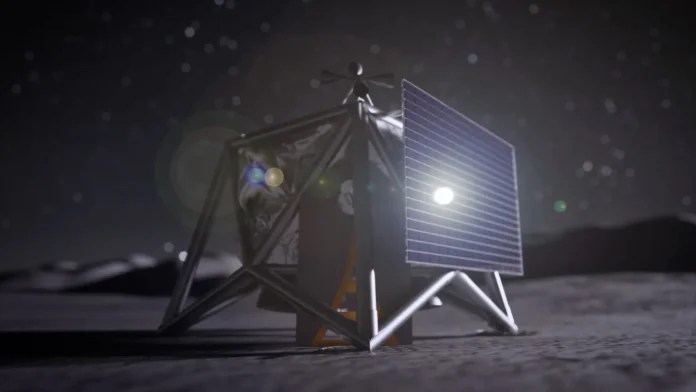
Private aerospace firms such as Blue Origin, Astrobotic, and Intuitive Machines are expected to play a major role by delivering landers, rovers, and scientific equipment. These missions will help scientists test landing systems and identify the most suitable base locations, especially around the lunar south pole.
Phase Two: Building Lunar Infrastructure (2029-2032)
The second phase shifts focus to construction. NASA plans to begin setting up essential infrastructure required for human survival on the Moon.
This includes:
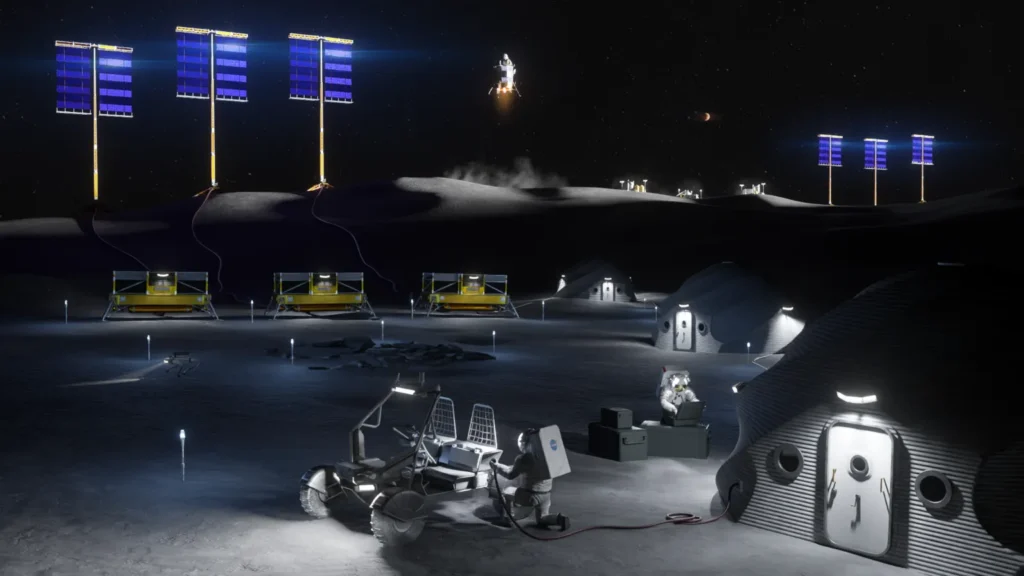
- Power systems such as solar and potential nuclear energy units
- Communication networks to connect Moon operations with Earth
- Early habitat modules for astronauts
- Mobile exploration tools like terrain vehicles and drones
This stage will lay the foundation for continuous human activity on the lunar surface.
Phase Three: Permanent Human Presence (2032 and Beyond)
By the early 2030s, NASA aims to establish a fully operational and continuously inhabited lunar base.
The long-term vision goes beyond a simple outpost, with plans pointing toward a growing lunar settlement that could eventually support expanded scientific research and commercial activity.
Why the Lunar South Pole Matters
NASA’s focus on the Moon’s south pole is strategic. The region is believed to contain water ice, which can be converted into oxygen and fuel. It also offers areas with near-constant sunlight, making it ideal for solar energy generation.
These natural advantages make it one of the most valuable locations for building a long-term base.
A Shift in Space Exploration Strategy
The new approach reflects a major change in NASA’s philosophy, moving away from short “flag-and-footprint” missions toward building permanent infrastructure beyond Earth.
The Moon base is also expected to serve as a testing ground for future human missions to Mars, making it a critical stepping stone in deep space exploration.
Read Also
- Kenya Moves to Clear Land for New Nithi Bridge Project Along A9 Corridor
- YouTuber arrested for allegedly using AI to defame Korean actor
- DCI Cracks Down on Alleged Inciting Social Media Posts as Man Arrested

