
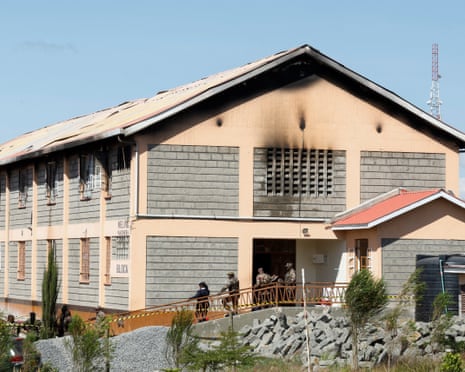
Fresh details have emerged in the investigation into the devastating fire at Utumishi Girls Academy that left 16 students dead and several others injured. According to investigators, seven students linked to the incident pointed to academic pressure, dissatisfaction over school decisions, and outside influence as factors that fueled the alleged plot.
Highlights
- Seven students reportedly disclosed reasons behind the dormitory fire.
- Exam dates were allegedly moved forward from June 16 to June 2, causing frustration.
- Learners also complained about fees introduced for a planned cultural event.
- Investigators say influence from a neighbouring boys’ school strike played a role.
- Two teachers are under scrutiny after reportedly receiving warnings before the incident.
Main Story
Investigators Uncover Alleged Motives
Authorities probing the deadly Utumishi Girls Academy fire have revealed that students suspected of involvement cited several grievances that allegedly contributed to the incident.
Among the concerns raised was the school’s decision to bring forward examinations from June 16 to June 2. Investigators believe the abrupt change created tension among some learners who felt unprepared for the assessments.
The students also reportedly expressed dissatisfaction over charges linked to an upcoming cultural event, which they viewed as an additional burden.
Alleged Planning Took Place Hours Before Fire
According to preliminary findings, the group is believed to have discussed the plan at around 9:00 p.m. before carrying it out shortly after midnight.
Investigators suspect a number of Form Three students were involved in orchestrating the attack. The resulting fire caused significant destruction, claiming the lives of 16 learners and leaving others with injuries.
A survivor’s account has further complicated the case. The student reportedly told investigators that discussions about the planned attack had been taking place earlier in the evening.
Teachers Face Scrutiny
Reports indicate that two teachers may have been informed about the planned action before it happened but failed to take preventive measures.
Following the revelations, Education Cabinet Secretary Julius Ogamba directed the Teachers Service Commission to initiate disciplinary proceedings against the educators.
The school’s principal is also expected to face scrutiny as authorities seek to establish whether warning signs were missed and whether proper safety protocols were followed.
Calls for Accountability
The tragedy has reignited conversations about student welfare, communication between school administrations and learners, and the need for stronger mechanisms to identify and address grievances before they escalate.
Investigations remain ongoing as authorities work to establish the full sequence of events and determine responsibility for one of the country’s most devastating school tragedies in recent years.
When student frustrations go unheard, small grievances can sometimes spiral into devastating consequences raising difficult questions about how schools can better detect and address warning signs before tragedy strikes.

