
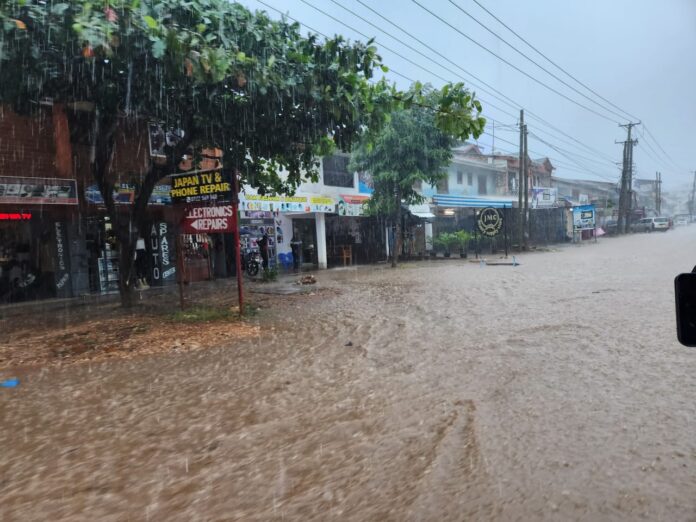
The world could soon face another round of extreme weather as climate experts warn that El Niño is highly likely to return in the coming months. With global temperatures already sitting at record highs, the expected climate event is raising concerns about increased flooding, droughts, heatwaves and disruptions to livelihoods across different regions, including East Africa.
Highlights
- WMO says there is a 90% chance of El Niño developing soon.
- The climate pattern could intensify floods, droughts and heatwaves globally.
- Scientists warn temperatures may rise further due to climate change.
- East Africa could experience above-normal rainfall and flooding.
- Governments are being urged to strengthen disaster preparedness plans.
Main Story
El Niño Conditions Becoming Increasingly Likely
The World Meteorological Organization (WMO) has warned that indicators across the Pacific Ocean are pointing towards the development of El Niño conditions within the coming months.
According to the agency, both ocean and atmospheric patterns are showing strong signs that the climate phenomenon could emerge and gain strength, increasing the likelihood of weather-related challenges around the world.
What Is El Niño?
El Niño is a natural climate cycle that occurs when sea surface temperatures in parts of the Pacific Ocean become warmer than usual. Although it begins in the Pacific, its effects can influence weather patterns across continents.
The phenomenon often causes heavy rainfall and flooding in some regions while leaving others facing prolonged dry spells and drought conditions.
Concerns Over Extreme Weather
Meteorologists say the anticipated return of El Niño comes at a time when the planet is already experiencing exceptionally high temperatures.
Experts believe that the combination of El Niño and long-term climate change could push temperatures even higher, increasing the chances of new heat records being set globally.
In recent years, many countries have experienced severe heatwaves, destructive wildfires and intense rainfall events, trends that scientists increasingly associate with a warming climate.
Impact on Agriculture and Communities
The WMO has cautioned that the developing weather pattern could affect food production, water availability, public health and critical infrastructure.
Farmers are being encouraged to pay close attention to seasonal weather forecasts and consider adjusting farming schedules where necessary. Disaster management agencies have also been advised to improve preparedness efforts to reduce the impact of potential weather emergencies.
What It Could Mean for East Africa
Historically, El Niño events have been linked to increased rainfall across parts of East Africa, sometimes leading to flooding and damage to homes, roads and farms.
However, experts note that impacts can vary depending on location and seasonal conditions. Authorities across the region are expected to continue monitoring weather developments and provide regular updates to the public.
Monitoring Continues
While seasonal forecasts do not provide exact weather predictions, the WMO says the high probability of El Niño offers governments, businesses and communities valuable time to prepare.
Meteorological agencies worldwide will continue tracking ocean temperatures and atmospheric changes to determine how strong the event becomes and how long it is likely to last.
Read Also
- Why State Opposed Bail for Student Suspects in Deadly Utumishi Girls Dorm Fire Case
- What Led Students to Allegedly Plan Fatal Utumishi Girls Fire
- What CCTV Evidence To Deadly Utumishi Girls Dormitory Fire Showed

