
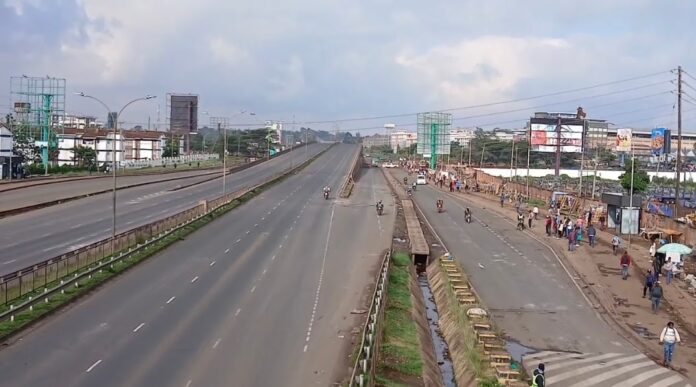
Kenyan streets painted an unusual picture on Tuesday morning, quiet roads, empty bus stops, and thousands of stranded commuters. As the nationwide matatu strike rolled into its second day, the ripple effects of rising fuel prices continued to disrupt daily life across major towns.
Highlights
- Nationwide matatu strike entered Day 2, crippling transport.
- Major towns like Nairobi, Kisumu, Nakuru, and Eldoret heavily affected.
- Operators protesting high fuel costs and demanding intervention.
- Commuters forced to walk long distances or pay higher fares.
- Talks between government and stakeholders ended without agreement.
Main Story
Transport Sector Standoff Escalates
Public transport across Kenya remained largely grounded as matatu operators sustained their strike over soaring fuel prices. The industrial action, now in its second day, has paralyzed movement in key urban centres, leaving many Kenyans struggling to get to work, school, and other essential destinations.
Matatus, buses, and boda bodas stayed off the roads in large numbers, creating a major transport vacuum in cities such as Nairobi, Nakuru, Kisumu, and Eldoret.
Talks Collapse, Strike Continues
Efforts to resolve the standoff hit a dead end after negotiations between transport stakeholders and government representatives failed to yield results.
Matatu Owners Association President Albert Karagacha confirmed that operators would not resume services until a workable solution is reached. He pointed out that the current fuel prices have made operations unsustainable, with many operators struggling to meet expenses and loan obligations.
Transport players argue they are incurring massive daily losses but remain firm on pushing for lower fuel costs or intervention from the government.
Mounting Pressure on Commuters
As the strike persists, ordinary Kenyans are feeling the heat. Many commuters have been forced to trek long distances, while others are turning to alternative means such as boda bodas, often at significantly higher costs.
The disruption has also affected schools and businesses, with some activities postponed or delayed due to transport challenges.
Calls for Fare Hikes
In addition to fuel price concerns, operators are pushing for fare increases of up to 50 percent to cushion themselves against rising operational costs.
Despite the tensions, sector leaders have urged participants to maintain peace and avoid any form of confrontation while the strike continues.
Uncertain Road Ahead
Major roads, including Thika Superhighway, Mombasa Road, and Ngong Road, remained unusually clear, highlighting the scale of the disruption. With fuel prices still elevated following the latest review by the energy regulator, more negotiations are expected as pressure mounts on both sides to find a solution.

