
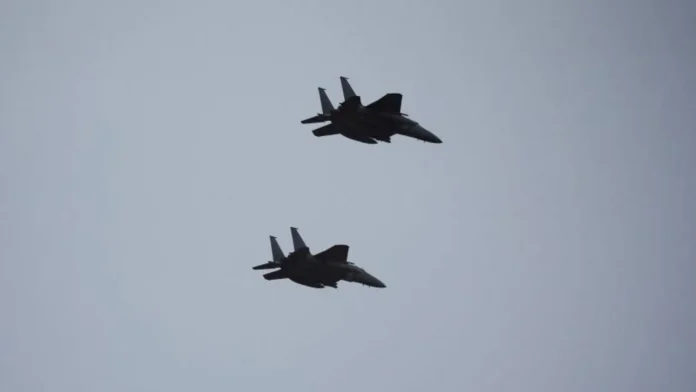
A routine military drill turned dangerous after two fighter jets collided mid-air in South Korea, with investigators now pointing to pilot distraction as a major cause. The incident has raised fresh concerns about focus, safety, and decision-making during high-risk operations.
Highlights:
- Two F-16 jets collided during a nighttime training mission
- One aircraft crashed; pilot ejected safely
- Investigation links crash to pilot distraction and misjudgment
- Reports suggest photo-taking may have contributed to loss of focus
- Poor visibility and night vision equipment played a role
Main Story:
Training mission takes a dangerous turn
A military exercise involving two F-16 Fighting Falcon jets ended in disaster after the aircraft collided mid-air near Yeongju earlier this year.
The incident occurred during a nighttime drill, a setting that already presents added challenges due to limited visibility and reliance on specialised equipment.
What went wrong in the air
According to findings from the investigation, the collision happened while one pilot was performing a visual inspection of the other aircraft, a manoeuvre commonly used to assess potential damage mid-flight.
However, while wearing night vision goggles, the pilot miscalculated the distance between the jets. This error proved critical.
Distraction becomes a deadly factor
Investigators highlighted distraction as a key issue. Reports indicate that pilots may have been attempting to take photos during the flight, momentarily shifting attention away from the task at hand.
This lapse in concentration led the lead aircraft to move dangerously close, eventually striking the second jet.
The moment of impact
The collision occurred when a fuel tank from one jet hit the wing of the other, causing severe damage. The affected aircraft lost stability and crashed in a mountainous area.
Fortunately, the pilot managed to eject in time and survived the ordeal.
Lessons from the حادث
Authorities concluded that the crash was largely due to human error, compounded by the challenges of operating at night. The incident serves as a reminder of how even minor distractions can escalate into life-threatening situations, especially in high-stakes environments like military aviation.
Read Also:
- Taiwan President Cancels Africa Trip Amid Airspace Block Drama
- “Weddings” in the Forest: Chilling Testimony Emerges in Shakahola Trial
- The Pressure of Precision: Inside High-Risk Careers Young People Pursue

