
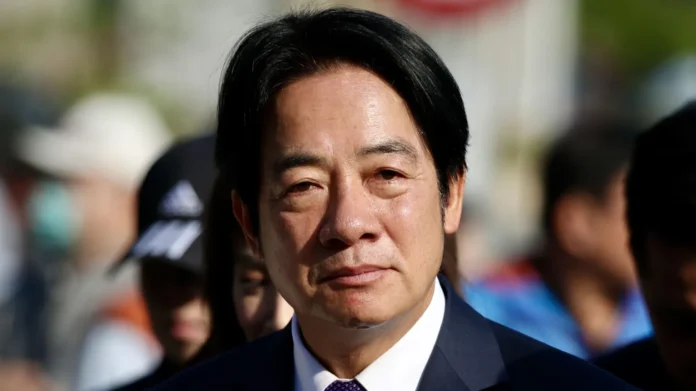
Taiwan’s president was forced to cancel a high-profile trip to Africa after multiple countries abruptly denied his aircraft permission to fly through their airspace. The unexpected move has sparked fresh debate about China’s growing geopolitical influence and Taiwan’s shrinking diplomatic space on the global stage.
Highlights:
- Taiwan president cancelled planned visit to Eswatini after airspace denial
- Seychelles, Mauritius, and Madagascar withdrew overflight permits
- Taiwan links decision to pressure from China
- China applauded the African nations for backing the “One China” stance
- Eswatini remains Taiwan’s only diplomatic ally in Africa
Main Story:
Sudden disruption to a state visit
Plans for Taiwan President Lai Ching-te to visit Eswatini were abruptly halted after several African nations blocked his flight route.
Authorities in Seychelles, Mauritius, and Madagascar reportedly withdrew previously approved overflight permissions, leaving the trip logistically impossible.
Claims of external pressure
Taiwanese officials pointed fingers at China, accusing Beijing of exerting diplomatic and economic pressure on the countries involved.
China, which considers Taiwan part of its territory, welcomed the decision by the African states, saying it aligns with the widely adopted “One China” policy.
Why Eswatini is crucial
The cancelled visit was not just symbolic. Eswatini holds a unique place in Taiwan’s foreign relations as its only remaining ally on the African continent.
President Lai had been scheduled to attend celebrations marking 40 years of reign by King Mswati III, an event seen as a reaffirmation of the long-standing ties between the two governments.
A shrinking diplomatic circle
The incident reflects a broader trend in global politics, where Taiwan’s list of formal allies continues to shrink. Many countries have shifted allegiance to China over the years, often influenced by trade and economic incentives.
This latest development highlights how geopolitical tensions can directly disrupt even routine diplomatic engagements, including presidential travel.
A rare diplomatic setback
It is uncommon for a sitting Taiwanese leader to cancel an international trip due to denied airspace access. The situation underscores how complex and sensitive international relations have become, especially in regions where global powers are competing for influence.
Read Also:
- “Weddings” in the Forest: Chilling Testimony Emerges in Shakahola Trial
- Can Aspirin Really Lower Cancer Risk? Here’s What Science Says
- Murkomen Reveals 14 Suspects in Osotsi Attack Escaped Across Border

