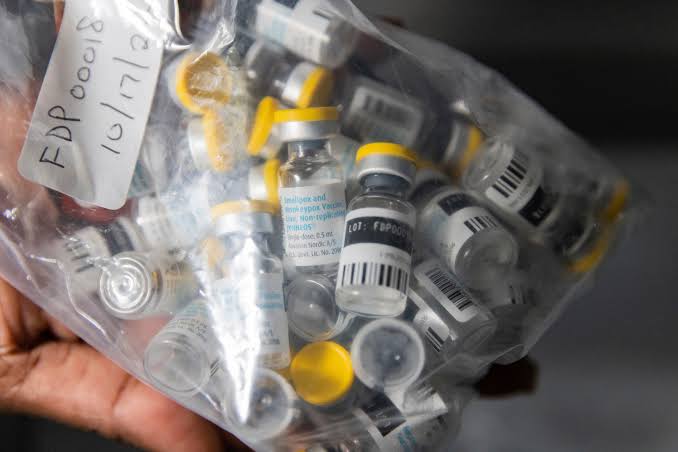
Kenya is set to benefit from a new global stockpile of Mpox vaccines designed to get doses to countries faster when outbreaks intensify. The initiative, backed by Gavi and coordinated by an international vaccine partnership, is expected to improve access for countries that previously struggled to secure supplies during health emergencies.
Highlights
- A new global Mpox vaccine stockpile was launched on August 27.
- The reserve is expected to start operations later this month.
- Kenya recorded four Mpox deaths among 78 confirmed cases earlier in 2026.
- More than 51,000 confirmed cases were reported across Africa between January 2025 and mid-July 2026.
- WHO says countries should strengthen surveillance, testing and public awareness.
Main Story
A New Vaccine Safety Net
Kenya could have quicker access to Mpox vaccines following the creation of a dedicated global vaccine reserve.
The stockpile was launched on August 27 and is expected to become operational later this month. Its main goal is to ensure vaccines can be distributed rapidly and fairly when outbreaks begin to grow, particularly in countries that may struggle to compete for limited supplies.
The initiative is being financed by Gavi, the Vaccine Alliance, and will be managed by the International Coordinating Group on Vaccine Provision.
The group brings together the World Health Organisation, UNICEF, the International Federation of Red Cross and Red Crescent Societies and Médecins Sans Frontières.
Lessons From the 2022 Outbreak
Gavi CEO Dr Sania Nishtar said the experience of the 2022 global Mpox outbreak exposed major inequalities in vaccine access.
Lower-income countries struggled to obtain doses while wealthier nations were better positioned to secure supplies.
The new reserve is intended to address that imbalance by creating a mechanism through which vaccines can be released to countries where they are most urgently needed.
WHO Director-General Dr Tedros Adhanom Ghebreyesus described the initiative as a move towards a fairer and more sustainable response to Mpox outbreaks.
Why Kenya Stands to Benefit
Kenya’s experience with the disease highlights the importance of having vaccines available quickly.
WHO figures cited in the report showed that Kenya recorded four Mpox-related deaths from 78 confirmed cases during a six-week period between February and March 2026. At the time, this was the highest number of deaths recorded in Africa over that period, despite Kenya not having the continent’s highest case count.
The situation later appeared to improve.
During the six weeks ending July 19, Kenya recorded 48 confirmed cases without a reported death, placing the country third in Africa behind Madagascar and Angola.
Although the numbers have eased, Kenya remains among the countries being monitored as Mpox continues to circulate across the continent.
Africa Continues to Face Mpox Pressure
Madagascar remains the most affected country in Africa, with almost 3,000 confirmed cases and 18 deaths reported since December 2025.
The country has vaccinated nearly 90,000 people, including healthcare workers and other groups considered particularly vulnerable.
Across Africa, 32 countries recorded more than 51,000 confirmed Mpox cases and 235 deaths between January 2025 and mid-July 2026.
Globally, the disease has been reported in 105 countries, with more than 63,000 confirmed cases and 256 deaths recorded since the beginning of 2025.
How Mpox Spreads
Mpox is mainly transmitted through close physical contact with an infected person. This can include intimate contact, while transmission can also occur through contact with infected animals or contaminated materials.
Common symptoms include fever, swollen lymph nodes and painful skin lesions or rashes.
While many people recover, the disease can become more serious among young children and people with weakened immune systems.
Surveillance Remains Critical
The arrival of a global vaccine reserve does not remove the need for early detection.
WHO has urged countries such as Kenya to strengthen disease surveillance, expand testing and keep communities informed about prevention and symptoms.
Health experts also warn that weak surveillance and limited testing can mean that official case figures do not capture the full extent of transmission.
For children and families, the impact can extend beyond the physical symptoms. UNICEF has warned that affected children may also face stigma, disrupted education and the emotional strain of being separated from family and friends.
With a global stockpile now being established, countries facing new outbreaks could have a better chance of accessing vaccines before transmission grows into a larger public health crisis.
For Kenya and other countries facing recurring outbreaks, having vaccines available when they are needed could make the difference between containing a health threat early and watching it spread.

