
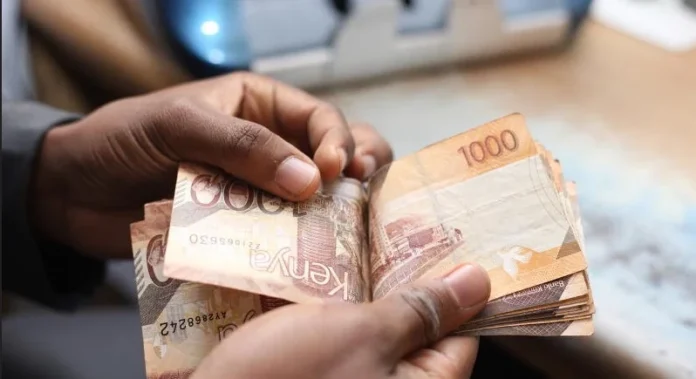
Kenyans are getting some relief from the cost of borrowing as lower interest rates begin to filter through the banking sector. At the same time, the value of non-performing loans has fallen significantly, suggesting that more borrowers are managing to keep up with repayments. However, savers are facing a different reality as returns on deposits have declined.
Highlights
- The Central Bank rate has fallen from 13% to 8.75%.
- Average commercial bank lending rates dropped from 15.3% to 14.4%.
- Bad loans declined from KSh 608 billion to KSh 554.3 billion.
- Deposit returns fell from 8.4% to 6.8%.
- Nine listed banks recorded a combined KSh 144.9 billion in pre-tax profits in the first half of 2026.
Main Story
Borrowing Costs Begin to Ease
Kenyan households and businesses are beginning to feel the impact of a more accommodative interest-rate environment.
The Central Bank of Kenya’s policy rate has been reduced from 13% to 8.75%, contributing to a decline in average bank lending rates.
Average interest charged on bank loans fell from 15.3% to 14.4%. While the reduction is relatively modest, it could offer some breathing room to borrowers dealing with expensive credit.
For households with existing loans and businesses seeking financing, even a small reduction in interest charges can make monthly repayments more manageable.
Bad Loans Show Signs of Improvement
Another positive development is the decline in non-performing loans across the banking sector.
The value of bad loans dropped by almost 9%, falling from KSh 608 billion to KSh 554.3 billion.
The decline suggests that a greater number of borrowers are managing to meet their repayment obligations. It could also indicate improving financial conditions for some households and businesses.
However, the overall level of distressed loans remains significant, meaning banks and borrowers still have to navigate credit risks carefully.
Savers Feel the Pressure
While borrowers are benefiting from lower lending rates, people who keep their money in bank deposits are seeing reduced returns.
The average return paid to customers on deposits declined from 8.4% to 6.8%.
This creates an uneven picture for consumers. Borrowers are paying somewhat less for credit, but savers are also receiving less income from their deposits.
For people relying on interest earnings, the lower returns could encourage them to consider how they allocate their savings.
Banks Continue to Post Strong Profits
Despite changes in lending rates, Kenya’s listed banking sector has continued to perform strongly.
Nine listed banks recorded a combined pre-tax profit of KSh 144.9 billion during the first half of 2026. This represented a 17% increase from the KSh 124 billion reported during the same period in 2025.
Equity Group was among the strongest performers, with its profit rising by 31.5% to KSh 43.8 billion.
KCB Group also recorded growth, with its profit increasing by 14% to KSh 36.9 billion.
Family Bank posted the fastest profit growth among the highlighted lenders, recording a 61.8% increase. However, its bad loans also increased, showing that rapid profit growth does not necessarily mean credit risks have disappeared.
What It Means for Kenyans
The changing banking environment presents both opportunities and challenges.
Lower lending rates could make it easier for households to finance major expenses and for businesses to access working capital. Falling bad loans could also point to improving repayment conditions.
At the same time, declining deposit returns mean savers need to pay closer attention to where they keep their money and how effectively their savings are working for them.
For borrowers, the key question will be whether further reductions in the policy rate translate into more meaningful reductions in the actual cost of loans.
For savers, the challenge will be finding ways to preserve returns while keeping their money accessible and secure.
Lower borrowing costs may offer Kenyans some breathing room, but with deposit returns also falling, the bigger financial question is how to make every shilling work harder.
🎥@NTV

