
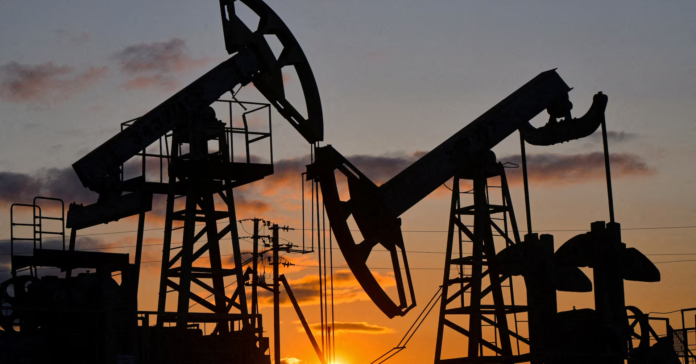
Global oil prices took a slight dip on Tuesday as renewed hopes of diplomatic talks between the United States and Iran eased fears of prolonged supply disruptions, calming markets after a sharp spike just a day earlier
Highlights:
- Brent crude dropped slightly while US oil saw a sharper decline
- Fresh signals of US-Iran dialogue helped ease market tension
- Oil had surged above $100 following a US blockade announcement
- Supply disruptions remain significant despite price pullback
- Energy agencies warn prices may still rise further
Main Story:
Oil Prices Retreat After Sudden Spike
Oil markets cooled on Tuesday, with global benchmark Brent crude slipping marginally and US oil prices recording a more noticeable drop. The decline follows a dramatic surge the previous day, when prices crossed the $100 mark after tensions escalated between Washington and Tehran.
The shift in prices came after comments from Donald Trump, who revealed that Iran had reached out to the United States expressing interest in striking a deal. His remarks signaled a potential easing of hostilities, which traders interpreted as a positive step toward stability.
Reports also indicated that Iran had floated a proposal to temporarily halt uranium enrichment, although disagreements over the duration of such a pause continue to stall progress. Despite the gap, ongoing exchanges suggest both sides are still exploring a path forward.
Market Reactions and Short-Term Corrections
Analysts believe the dip in oil prices is partly due to traders adjusting positions after Monday’s sharp rally. The earlier surge had been triggered by the US decision to block Iranian ports following failed negotiations.
Experts note that while optimism around talks is helping stabilize prices, the situation remains fluid. Any indication that Iran might delay its nuclear programme could significantly reduce tensions and further ease pressure on oil markets.
Supply Disruptions Still Loom Large
Despite the recent price drop, crude oil remains significantly more expensive compared to levels before the conflict began in late February. According to the International Energy Agency, global oil supply experienced an unprecedented disruption in March, with output dropping sharply.
The agency has already coordinated the release of millions of barrels from emergency reserves to cushion the impact, with more interventions possible if the situation worsens.
Industry Players Eye Opportunities
Even as uncertainty persists, some energy firms are anticipating gains. Oil giant BP has projected strong trading performance for the first quarter of the year, marking a rebound from weaker results at the end of 2025.
While Iran contributes a relatively small portion of global oil supply directly, experts warn that any escalation affecting the wider Gulf region could push prices higher again. For now, markets remain cautiously optimistic, closely watching every development in the ongoing geopolitical standoff.
As diplomacy and tension continue to battle it out, the direction of oil prices may ultimately depend on which side gains the upper hand.

