
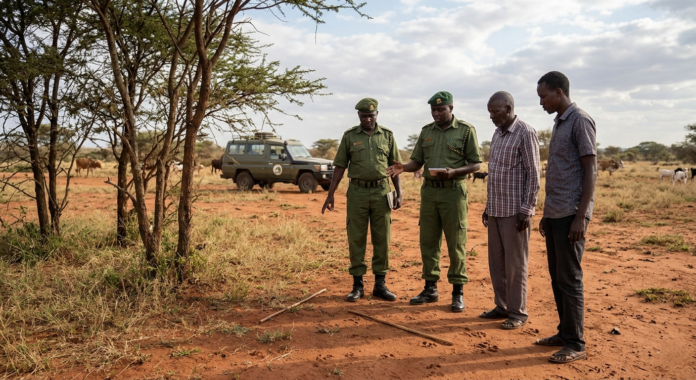
A tragic buffalo attack in Isiolo County has once again thrown the spotlight on the growing dangers faced by pastoralist communities living near wildlife reserves. The death of a 23-year-old herder in Basanadi National Reserve has sparked fresh concern over rising human-wildlife conflict and renewed calls for urgent protective measures.
Highlights
- 23-year-old herder killed in buffalo attack in Basanadi National Reserve.
- Incident occurred while he was grazing livestock in Isiolo County.
- Kenya Wildlife Service officers responded and released the body to family.
- Family advised on compensation under human-wildlife conflict framework.
- Tragedy has intensified calls for stronger protections for pastoralists.
Main Story
Fatal Encounter in Basanadi
Residents of Isiolo County are mourning the death of Osman Gorad, a young herder who lost his life after a buffalo attack while tending livestock inside Basanadi National Reserve.
Reports indicate the 23-year-old was out grazing animals when the wild animal suddenly charged, inflicting severe injuries. He suffered critical abdominal wounds and died following the attack.
Officers from the Kenya Wildlife Service stationed in Murera and Kurbesa responded to the scene, documented the incident and later handed over the body to relatives for burial.
Human-Wildlife Conflict Concerns Resurface
The incident has once again raised concern over the risks faced by communities whose livelihoods depend on grazing in areas bordering wildlife habitats.
For many pastoralists in northern Kenya, sharing space with wild animals has become an everyday danger. Encounters involving buffaloes, elephants, lions and other animals have repeatedly led to injuries, deaths and loss of livestock.
The latest tragedy has reignited debate over how authorities can better safeguard herders while preserving wildlife conservation efforts.
Calls for Stronger Protection
Following the incident, authorities reportedly guided the victim’s family on seeking compensation through Kenya’s human-wildlife conflict compensation programme.
Even so, local leaders and residents continue pushing for longer-term solutions beyond compensation, including stronger surveillance, safer grazing zones and practical interventions to reduce deadly encounters.
The death has also renewed pressure on stakeholders to address the persistent tensions between conservation areas and communities that rely on the same landscapes for survival.
Read Also
- Two Nigerians killed in fresh xenophobic attacks in South Africa
- Man admits plotting attack on Taylor Swift concert in Vienna
- Ruai Bypass Submerged as Heavy Rains Bring Nairobi Traffic to a Standstill

