
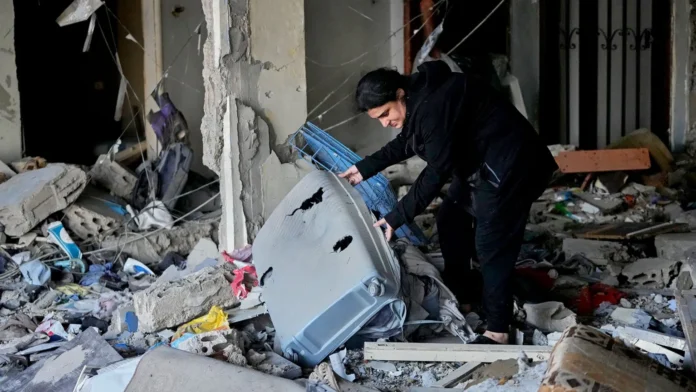
Tensions in the Middle East have surged once again after Israel launched a fresh wave of airstrikes targeting Beirut suburbs and southern Lebanon, forcing thousands of civilians to flee their homes. The latest escalation threatens to shatter a fragile ceasefire and deepen Lebanon’s growing humanitarian crisis as fears of a wider regional conflict continue to rise.
Highlights
- Israel carried out new strikes in Beirut suburbs, Tyre, Sidon, and other southern areas.
- Large-scale evacuation orders forced civilians north of the Zahrani River.
- Israel says the attacks targeted Hezbollah military infrastructure.
- Reports indicate civilians were among those injured and killed.
- More than one million people are believed to have been displaced since March 2026.
Main Story
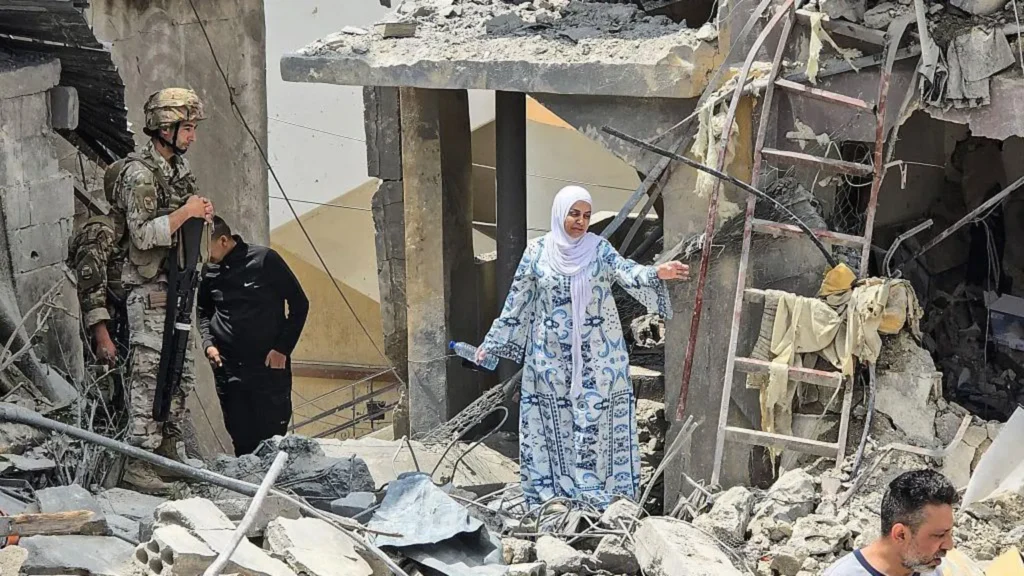
Israel has intensified its military campaign in Lebanon with a series of new airstrikes targeting areas believed to house Hezbollah positions. The attacks hit several parts of southern Lebanon, including Tyre and Sidon, as well as suburbs near Beirut.
The Israeli military said the operation was aimed at dismantling Hezbollah infrastructure and reducing rocket and drone threats targeting northern Israel. Among the locations struck was Choueifat, an area situated close to Beirut’s international airport, raising fears over civilian safety and possible disruptions to air travel.
Mass Evacuations Ordered
Ahead of the strikes, Israel issued broad evacuation notices covering regions south of Lebanon’s Zahrani River. Residents were urged to leave immediately and move north toward safer towns such as Sidon.
The declaration of the area as a “combat zone” triggered panic among civilians, with humanitarian organizations warning that the new displacement wave could overwhelm already stretched aid systems. Local authorities say hundreds of thousands of people have been forced to flee within days.
Ceasefire on the Brink
The renewed violence has cast serious doubt over the ceasefire agreement reached earlier this year. Although international mediators had hoped the truce would reduce tensions between Israel and Hezbollah, cross-border attacks have continued from both sides.
Israeli Prime Minister Benjamin Netanyahu has vowed to expand military operations until northern Israeli communities are protected from Hezbollah attacks. Meanwhile, Hezbollah fighters have continued launching rockets and drones toward Israel despite diplomatic efforts aimed at calming the situation.
Humanitarian Concerns Grow
Lebanon’s humanitarian crisis is rapidly worsening as the conflict drags on. Aid agencies estimate that over one million people have now been displaced since fighting intensified in March 2026.
Hospitals and shelters in southern Lebanon are reportedly struggling with overcrowding and shortages of medical supplies, while many families continue searching for safe places to stay.
International observers fear the ongoing escalation could destabilize the wider region if diplomatic efforts fail to contain the conflict.
Read Also
- Why Kenya Is Still At Risk Of Ebola Outbreaks
- DCP calls for resignation of Murkomen and censure Ogamba
- “Poleni Sana” President Ruto Speaks After Gilgil School Fire Tragedy

