
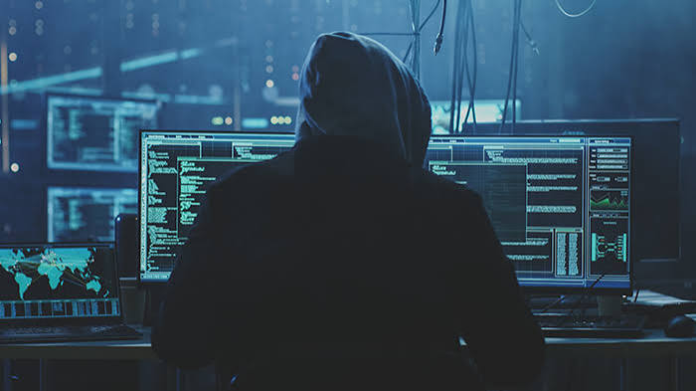
From social media accounts and mobile banking to emails and online shopping, much of our personal information now lives online. While technology has made life more convenient, it has also created new opportunities for cybercriminals. Hackers are becoming increasingly sophisticated, using a variety of tactics to steal sensitive information, commit fraud, and exploit unsuspecting victims. Understanding how these attacks work is the first step toward protecting yourself.
Highlights
- Hackers use fake emails, websites, and messages to steal personal information.
- Weak passwords and unsecured Wi-Fi networks make it easier for criminals to access accounts.
- Malware can secretly collect personal and financial data from your devices.
- Multi-factor authentication adds an extra layer of protection.
- Staying alert and following basic cybersecurity practices can significantly reduce your risk.
Main Story
What Do Hackers Want?
Hackers target personal information that can be used for financial gain or identity theft. This includes:
- Passwords
- Bank account and mobile money details
- National ID and passport information
- Credit or debit card numbers
- Email and social media login credentials
- Personal photos and private documents
Once stolen, this information can be used to steal money, impersonate victims, or commit other online crimes.
1. Phishing Scams
One of the most common tricks hackers use is phishing.
Victims receive emails, text messages, or social media messages pretending to come from trusted organizations such as banks, delivery companies, government agencies, or popular online platforms.
These messages often contain links directing users to fake websites designed to steal usernames, passwords, or banking details.
2. Weak Passwords
Using simple passwords like 123456, password, or your birthday makes it easier for hackers to access your accounts.
If the same password is used across multiple websites, one successful attack can expose several accounts at once.
3. Public Wi-Fi Risks
Free Wi-Fi in cafés, airports, hotels, or shopping malls can expose your personal information if the network is unsecured.
Cybercriminals can sometimes intercept data transmitted over public networks, including passwords and financial information.
4. Malware and Viruses
Hackers often spread malicious software through infected email attachments, fake apps, software downloads, or suspicious websites.
Once installed, malware can:
- Record everything you type.
- Steal passwords.
- Access personal files.
- Spy on your online activity.
- Lock your files and demand payment through ransomware.
5. Fake Websites
Some websites are designed to look almost identical to legitimate banking, shopping, or social media platforms.
Victims unknowingly enter their login details, giving hackers direct access to their accounts.
Always check website addresses carefully before entering sensitive information.
6. Social Engineering
Not all hacking involves technology.
Some cybercriminals manipulate people into revealing confidential information by pretending to be customer service agents, employers, colleagues, or even friends.
They rely on trust, urgency, or fear to convince victims to share passwords or verification codes.
How to Stay Safe Online
You can greatly reduce your risk by following these simple cybersecurity tips:
- Use strong, unique passwords for every account.
- Enable two-factor or multi-factor authentication whenever possible.
- Never click suspicious links or download unexpected attachments.
- Keep your phone, computer, and apps updated with the latest security patches.
- Avoid accessing sensitive accounts using unsecured public Wi-Fi.
- Install reputable antivirus software.
- Verify the authenticity of websites before entering personal information.
- Be cautious of messages requesting urgent payments or confidential details.
- Regularly monitor your bank and mobile money transactions for unusual activity.
What to Do If You’ve Been Hacked
If you suspect your personal information has been compromised:
- Change your passwords immediately.
- Enable multi-factor authentication.
- Contact your bank or mobile money provider if financial information is involved.
- Report the incident to the relevant authorities or your service provider.
- Inform friends or colleagues if your email or social media accounts have been compromised to prevent further scams.
Why Cybersecurity Matters
As more people embrace online banking, digital payments, remote work, and social media, protecting personal information has become more important than ever.
Cybersecurity is not just the responsibility of governments and technology companies—every internet user plays a role in keeping their information safe.
Hackers are constantly evolving their tactics, but a few smart online habits can go a long way in protecting your identity, your finances, and your peace of mind.

