
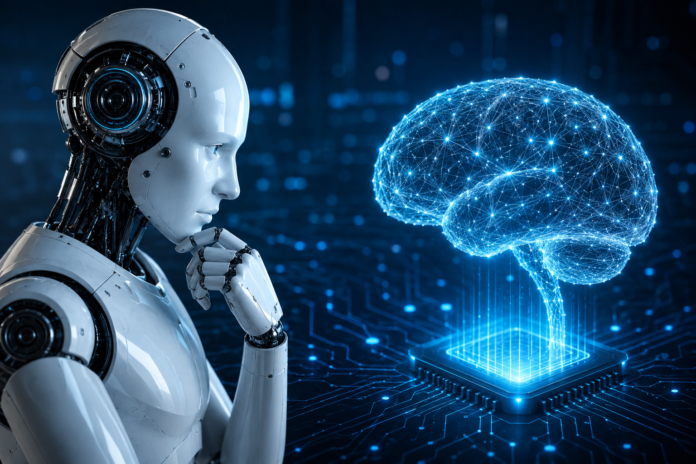
From science fiction movies to rapid advances in artificial intelligence (AI), the idea of robots taking over the world has become one of the biggest debates of the digital age. As machines become smarter and more capable, many people are asking the same question: Could robots one day replace humans or even control the world?
Highlights
- Robots are becoming more intelligent thanks to AI.
- Experts say robots cannot act without human-designed systems.
- AI may replace some jobs but is also creating new opportunities.
- Human oversight remains essential for safe AI development.
- Ethical regulations are being developed to manage advanced technologies.
Main Story
For decades, films and books have imagined a future where intelligent machines rebel against humanity. Movies like The Terminator, I, Robot, and The Matrix have fueled fears that robots could eventually overpower people.
Today’s rapid AI advancements have made those concerns feel more realistic to some, especially as robots can now drive vehicles, perform surgeries, assist in factories, and even hold conversations.
Can Robots Really Take Over?
According to AI researchers, the answer is not in the way movies often portray it.
Robots do not possess emotions, desires, or ambitions. They follow instructions created by humans and operate within software designed by engineers.
Even advanced AI systems learn patterns from data rather than making independent decisions like humans.
Many experts believe these issues deserve far more attention than fictional robot invasions.
Artificial Intelligence is improving rapidly, with some systems outperforming humans in tasks such as data analysis, medical diagnosis and complex calculations.
However, human intelligence still includes creativity, emotional understanding, ethical reasoning and common sense qualities that machines cannot fully replicate.
Researchers continue working on safeguards to ensure AI remains aligned with human values.
Rather than replacing humanity, many experts believe robots will increasingly work alongside people.
Hospitals already use robotic assistants during surgery, factories rely on automation to improve efficiency, and AI helps businesses analyze information faster.
The challenge will be ensuring technology is developed responsibly, with strong laws and ethical standards protecting society.
Robots may become more powerful in the years ahead, but the future will ultimately depend on the choices humans make about how technology is designed, controlled and used.

