
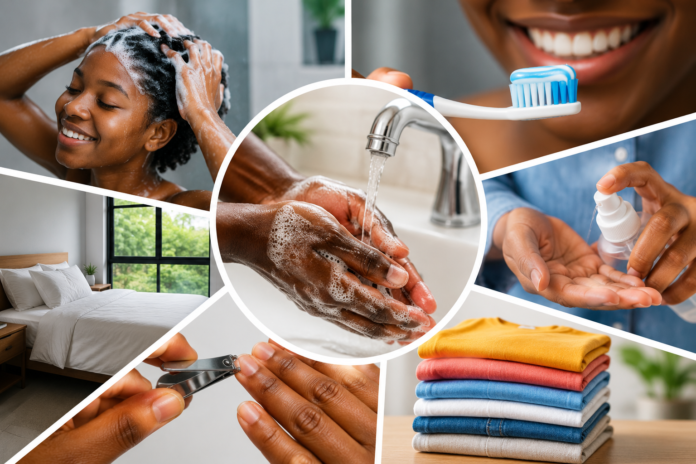
Good hygiene is one of the simplest yet most effective ways to protect your health and improve your quality of life. From washing your hands to maintaining personal cleanliness, these daily habits help prevent illness, boost confidence, and create a healthier environment for everyone. While they may seem routine, good hygiene practices can make a significant difference in both physical and mental well-being.
Highlights
- Good hygiene helps prevent the spread of diseases and infections.
- It improves personal confidence and self-esteem.
- Clean habits protect families, schools, and workplaces.
- Proper hygiene supports healthier skin, teeth, and overall wellness.
- Small daily routines can have lifelong health benefits.
Main Story
Prevents the Spread of Diseases
One of the biggest benefits of good hygiene is reducing the spread of harmful bacteria, viruses, and other germs. Regular handwashing, bathing, brushing your teeth, and keeping your surroundings clean can significantly lower the risk of infections such as the flu, stomach illnesses, and skin diseases.
Boosts Personal Confidence
Looking and feeling clean can improve self-esteem and confidence. Fresh breath, clean clothes, and proper grooming help people feel comfortable in social situations, at school, in the workplace, and during everyday interactions.
Protects Families and Communities
Good hygiene is not only about personal health it also protects those around you. Practicing proper hygiene reduces the chances of passing illnesses to family members, classmates, colleagues, and vulnerable people such as children and the elderly.
Supports Better Physical Health
Maintaining good hygiene contributes to healthier skin, stronger teeth, and a lower risk of infections. Brushing and flossing daily help prevent tooth decay and gum disease, while regular bathing removes dirt, sweat, and harmful bacteria from the body.
Improves Mental Well-Being
Living in a clean environment and maintaining personal cleanliness can reduce stress and create a sense of comfort and control. Good hygiene routines also promote discipline and encourage healthier lifestyle habits.
Essential for Children and Young People
Teaching children proper hygiene from an early age helps them develop lifelong healthy habits. Schools and parents play an important role in encouraging regular handwashing, dental care, and personal cleanliness to reduce illness and improve attendance.
Simple Hygiene Habits Everyone Should Follow
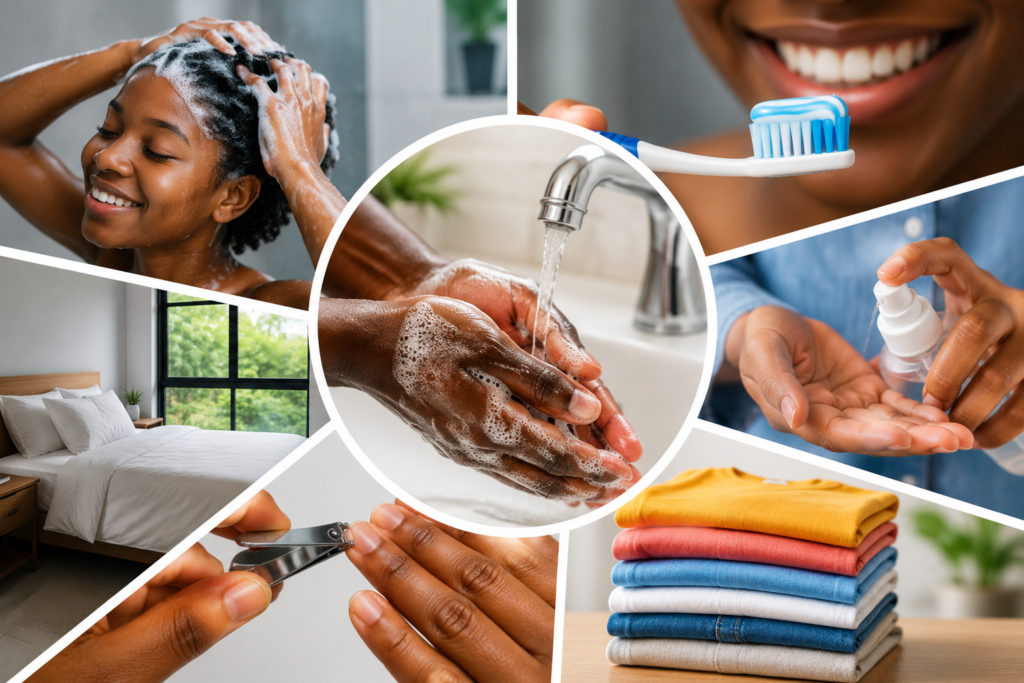
Maintaining good hygiene doesn’t require expensive products. Basic habits include washing hands with soap regularly, bathing daily, brushing teeth twice a day, wearing clean clothes, trimming nails, covering your mouth when coughing or sneezing, and keeping your living spaces clean.
Good hygiene is more than just staying clean it’s a daily investment in better health, greater confidence, and a safer future for everyone.

