
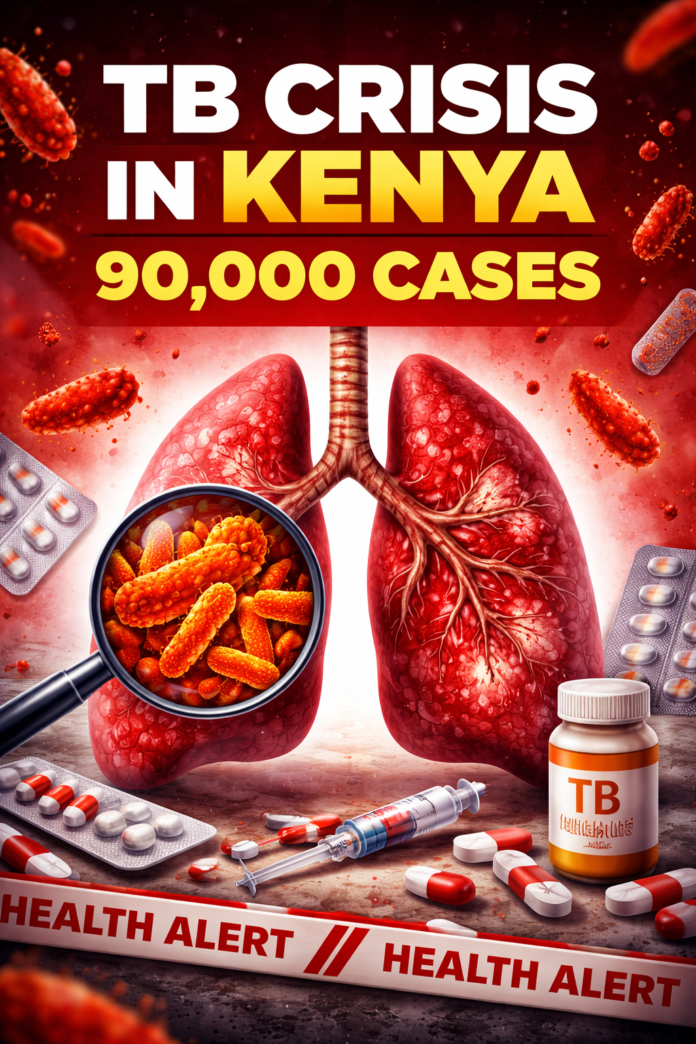
Tuberculosis (TB) is once again raising alarm in Kenya after reported cases climbed to around 90,000 annually, putting thousands of lives at risk. Health experts are now urging the public to stay informed on the causes, prevention, and treatment of the disease as the country works to contain its spread.
Highlights
- Kenya records about 90,000 TB cases each year
- The disease spreads through the air when an infected person coughs or sneezes
- Early detection and treatment are key to recovery
- TB is preventable and curable with proper medical care
- Vulnerable groups include people with weak immune systems
Main Story
Understanding the TB Burden in Kenya
Tuberculosis remains one of the leading infectious diseases in Kenya, with tens of thousands of new infections reported every year. The rise in numbers has been linked to factors such as population density, delayed diagnosis, and limited access to healthcare in some regions.
Urban areas, informal settlements, and communities with high poverty levels are particularly affected, making TB not just a health issue but also a social challenge.
What Causes TB?
TB is caused by bacteria known as Mycobacterium tuberculosis. It mainly affects the lungs but can also attack other parts of the body like the spine, kidneys, and brain.
The disease spreads through tiny droplets released into the air when an infected person coughs, speaks, or sneezes. People who are in close and prolonged contact with infected individuals are at higher risk of contracting the illness.
Those most vulnerable include individuals living with HIV, people with weakened immune systems, smokers, and those suffering from malnutrition.
Signs and Symptoms to Watch
Early symptoms of TB can sometimes be mild, which makes it easy to ignore. However, as the disease progresses, common signs include:
- Persistent cough lasting more than two weeks
- Chest pain and difficulty breathing
- Unexplained weight loss
- Night sweats and fever
- Fatigue and loss of appetite
Health experts emphasize that anyone experiencing these symptoms should seek medical testing immediately.
How TB Can Be Prevented
Preventing TB starts with awareness and early action. Some of the most effective measures include:
- Getting tested early if exposed or showing symptoms
- Ensuring proper ventilation in homes and workplaces
- Covering the mouth when coughing or sneezing
- Completing TB treatment to avoid spreading the disease
- Strengthening immunity through good nutrition
Vaccination with the BCG vaccine also offers protection, especially for children.
Is TB Curable?
Yes TB is both preventable and curable. Treatment typically involves a strict course of antibiotics taken over six months or longer.
Patients are advised to follow their medication schedule without interruption. Stopping treatment early can lead to drug-resistant TB, which is more difficult and expensive to treat.
In Kenya, TB treatment is available for free in public health facilities, making it accessible to those in need.
As TB cases continue to rise, staying informed and taking early action could be the difference between life and death.

