
Kidney failure is no longer a condition affecting only the elderly it’s quietly becoming a growing health concern, with more young people being diagnosed than ever before. As lifestyles change and chronic illnesses rise, experts are warning that organ failure, especially kidney-related, could become a serious public health threat if not addressed early.
Highlights
- Kidney failure cases are increasing globally and locally
- Lifestyle diseases like diabetes and high blood pressure are major contributors
- Early symptoms are often mild or go unnoticed
- Treatment options include medication, dialysis, and transplant
- Prevention through lifestyle changes is key
Main Story
A Growing Health Concern
Across the world including in Kenya doctors are reporting a steady rise in cases of Kidney Failure. While improved diagnosis plays a role, experts say lifestyle habits and chronic diseases are the real drivers behind the surge.
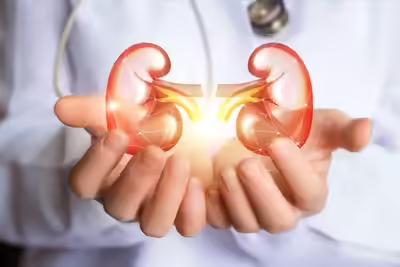
Kidneys play a critical role in filtering waste, balancing fluids, and regulating blood pressure. When they fail, the body begins to accumulate toxins, leading to serious and sometimes fatal complications.
What Causes Kidney Failure?
One of the biggest triggers of kidney failure is Diabetes, which damages blood vessels in the kidneys over time. Another major contributor is High Blood Pressure, which puts excessive strain on these vital organs.
Other causes include:
- Long-term use of certain medications (especially painkillers)
- Severe infections
- Dehydration
- Genetic conditions
- Substance abuse
Unhealthy diets, lack of exercise, and increased consumption of processed foods are also accelerating the problem, particularly among young adults.
Signs You Should Never Ignore
Kidney failure often develops silently. Many people don’t realize something is wrong until the condition has progressed.
Common warning signs include:
- Swelling in legs, feet, or face
- Fatigue and weakness
- Changes in urination (too much or too little)
- Persistent nausea
- Difficulty concentrating
Because these symptoms can be subtle, regular medical check-ups are crucial for early detection.
Treatment Options Available
Treatment depends on how advanced the condition is. In early stages, lifestyle changes and medication can help slow progression.
For more severe cases, patients may require:
- Dialysis (a process that filters blood artificially)
- Kidney transplant (replacement with a healthy donor organ)
While these treatments can prolong life, they are often costly and require long-term commitment, making prevention even more important.
Prevention: The Real Game Changer
Health experts emphasize that kidney failure is largely preventable. Simple lifestyle changes can make a big difference, including:
- Staying hydrated
- Eating a balanced diet low in salt and processed foods
- Exercising regularly
- Managing conditions like diabetes and hypertension
- Avoiding self-medication and drug misuse
Regular screening, especially for high-risk individuals, can help catch problems early before they become life-threatening.
Your kidneys might be silent but the choices you make today could determine how long they keep working tomorrow.

