
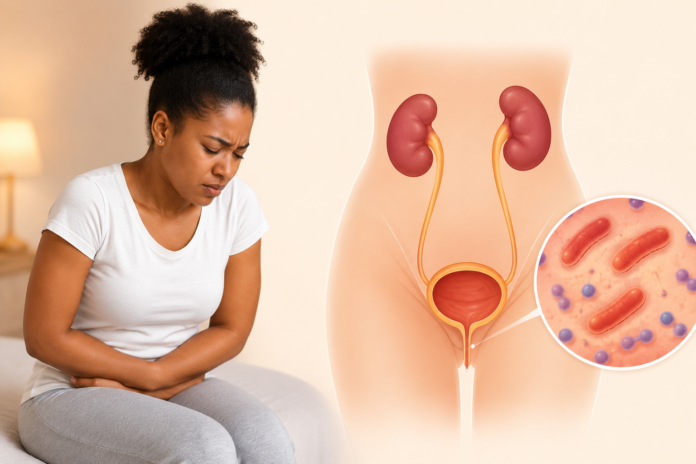
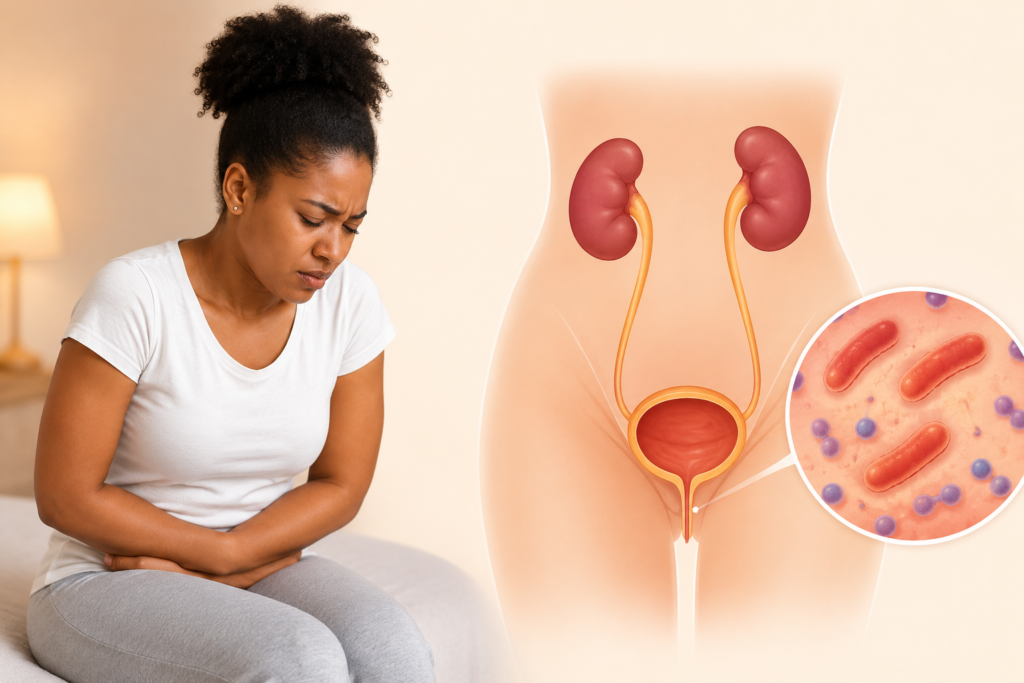
Urinary tract infections (UTIs) are among the most common bacterial infections affecting women. While they can occur in anyone, women are significantly more likely to develop them due to their anatomy and hormonal changes throughout life. Understanding the causes can help women take simple steps to reduce their risk and seek treatment early.
Highlights
- Women have a shorter urethra, making it easier for bacteria to reach the bladder.
- The female urethra is located closer to the anus, where UTI-causing bacteria are commonly found.
- Sexual activity, pregnancy and menopause can increase the risk of infection.
- Certain birth control methods may also contribute to UTIs.
- Early treatment can help prevent complications.
Main Story
Why Women Are More Vulnerable
One of the main reasons women experience UTIs more frequently than men is their anatomy. The female urethra is much shorter, allowing bacteria to travel to the bladder more easily.
In addition, the urethral opening is located close to both the vagina and the anus, making it easier for bacteria such as E. coli to enter the urinary tract and trigger an infection.
Sexual intercourse can introduce or push bacteria toward the urethra, increasing the likelihood of infection. For this reason, healthcare professionals often recommend good hygiene and urinating after sex to help flush out bacteria.
Some contraceptives, including diaphragms and spermicides, may increase the risk of UTIs. These methods can alter the natural balance of bacteria in the vagina or cause irritation, making it easier for harmful bacteria to multiply.
During menopause, declining estrogen levels cause the tissues of the vagina and urinary tract to become thinner and drier. These changes reduce the body’s natural defenses, allowing bacteria to grow more easily.
Pregnancy can also increase the risk of UTIs. Hormonal changes affect the urinary tract, while the growing uterus may put pressure on the bladder, preventing it from emptying completely. When urine remains in the bladder, bacteria have more opportunity to multiply.
Although UTIs are common, many cases can be prevented through good personal hygiene, drinking plenty of water, avoiding unnecessary delays in urinating, and seeking medical care when symptoms such as burning during urination, frequent urges to urinate or lower abdominal pain develop.
Looking after your urinary health starts with understanding the risks and acting early when your body tells you something isn’t right.

