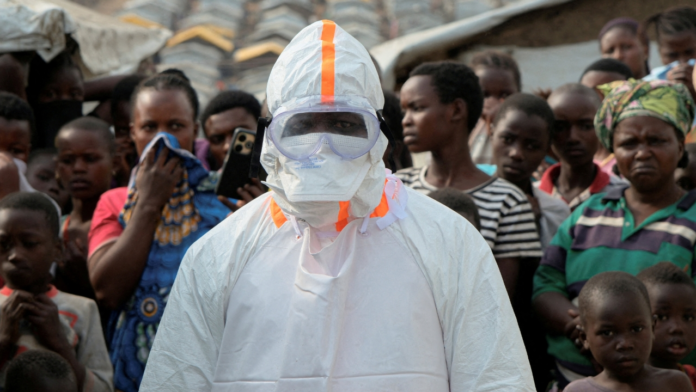
The Democratic Republic of Congo has banned mass public gatherings in Kinshasa and three other provinces as authorities intensify efforts to contain the country’s ongoing Ebola outbreak. While officials insist the restrictions are necessary to protect public health, opposition leaders have questioned the timing of the move, claiming it could be used to suppress planned political demonstrations.
Highlights
- DR Congo has suspended mass gatherings in Kinshasa and three provinces.
- Authorities say the move is aimed at preventing the spread of Ebola.
- The current outbreak has been reported in eastern parts of the country.
- Kinshasa has not recorded any confirmed Ebola cases.
- Opposition leaders have criticised the ban, calling it politically motivated.
Main Story
Government Introduces Restrictions
The Democratic Republic of Congo has announced a ban on mass public gatherings in Kinshasa and three neighbouring provinces as part of efforts to prevent the spread of Ebola.
Interior authorities say the temporary restrictions are intended to reduce the risk of the virus reaching densely populated areas, particularly the capital, which is home to an estimated 18 million people.
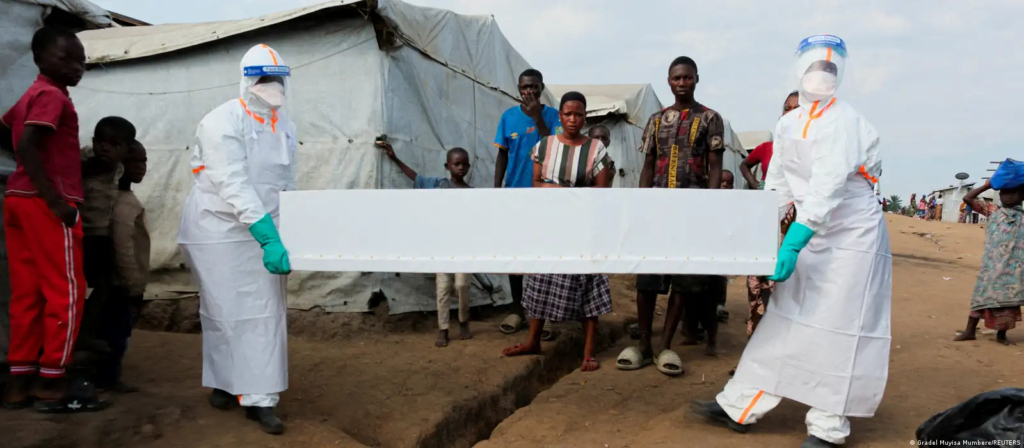
Ebola Outbreak Continues in Eastern DR Congo
The latest Ebola outbreak has so far been confirmed in three provinces in the eastern part of the country, approximately 1,800 kilometres from Kinshasa.
Although no infections have been reported in the capital, authorities remain concerned that movement of people could allow the virus to spread into new regions.
The ban also applies to the provinces of Tshopo, Haut-Uele, and Bas-Uele, which border the affected areas and are considered at increased risk.
Opposition Raises Concerns
The government’s decision has sparked criticism from opposition leaders, who argue that the restrictions may be aimed at limiting political activity rather than addressing a public health emergency.
Members of the Lamuka coalition questioned why public gatherings had been prohibited in Kinshasa despite the absence of confirmed Ebola cases in the city.
Opposition spokesperson Prince Epenge described the move as politically motivated, claiming it could interfere with a planned protest march scheduled for July 8.
Balancing Public Health and Civil Liberties
The announcement has reignited debate over the balance between protecting public health and safeguarding constitutional freedoms.
While health experts acknowledge that limiting large gatherings can help reduce the spread of infectious diseases, critics argue that such measures should be proportionate, transparent, and based on scientific evidence.
Authorities have maintained that the restrictions are purely preventive and are designed to protect communities from a potentially deadly outbreak.
Vigilance Remains Key
As the Ebola response continues, health officials are urging the public to remain vigilant, observe hygiene measures, and cooperate with surveillance efforts.
The government has also pledged to strengthen monitoring, contact tracing, and emergency preparedness as it works to contain the outbreak before it spreads beyond the affected regions.
As DR Congo races to contain the Ebola outbreak, the effectiveness of the latest restrictions will likely depend on public cooperation, transparent communication, and continued vigilance from health authorities.

