
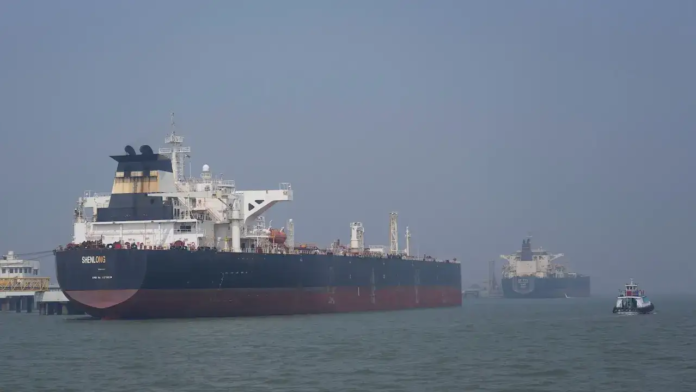
A Liberian oil tanker has successfully navigated the strategically important Strait of Hormuz despite growing security concerns and threats to commercial shipping in the region. The development comes at a delicate moment as the United States and Iran continue negotiations aimed at securing a long-term peace agreement following months of conflict.
Highlights
- A Liberian oil tanker safely exited the Strait of Hormuz.
- Iran’s Revolutionary Guard has issued renewed threats against shipping.
- The vessel used a new route near Oman’s coastline.
- The US and Iran are negotiating details of a recent interim agreement.
- Rising tensions in Lebanon threaten to undermine regional stability.
Main Story
Tanker Transit Highlights Ongoing Security Concerns
The Liberian-flagged oil tanker Stoic Warrior successfully passed through the Strait of Hormuz on Thursday, using a newly recommended maritime route close to Oman’s shores.
The route, promoted by a United Nations maritime agency, is designed to improve safety for commercial vessels navigating one of the world’s most critical energy corridors.
Its successful passage comes despite heightened warnings and threats directed at shipping by Iran’s Revolutionary Guard.
Strait of Hormuz Remains a Global Chokepoint
The Strait of Hormuz serves as one of the most important maritime gateways in the world, connecting the Persian Gulf to international markets.
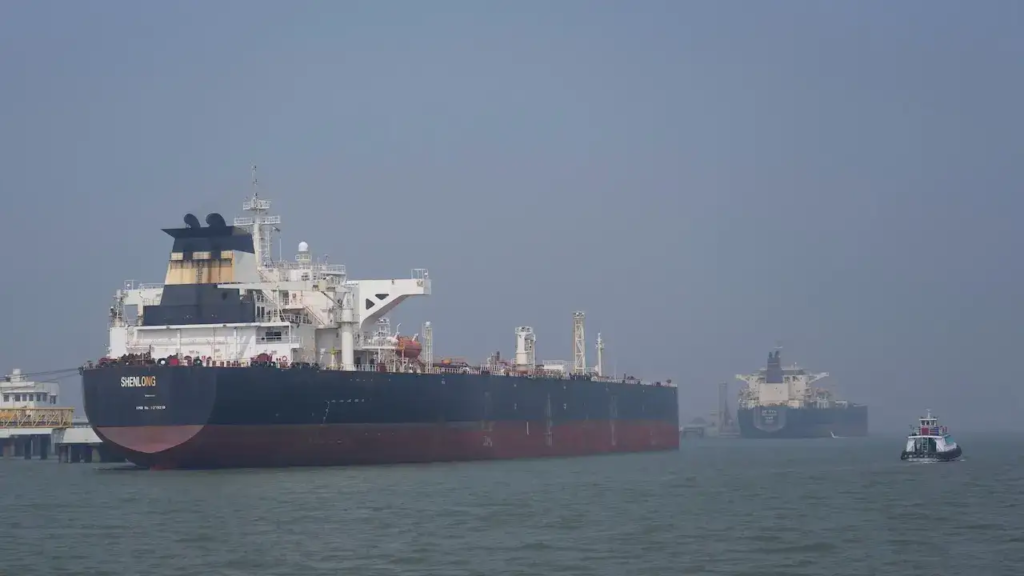
A significant portion of global oil exports passes through the narrow waterway, making any disruption a major concern for international trade and energy markets.
Recent tensions have reignited fears about the security of vessels operating in the region.
US and Iran Continue Delicate Negotiations
The latest developments unfold as Washington and Tehran work to implement an interim agreement aimed at permanently ending the conflict that has strained relations between the two countries.
The memorandum of understanding signed last week established a 60-day period during which both sides are expected to negotiate unresolved issues behind closed doors.
Key topics under discussion include the future of Iran’s highly enriched uranium stockpile and broader security arrangements in the region.
While negotiations continue privately, leaders from both nations have also maintained public exchanges that sometimes reveal differing interpretations of the agreement.
Lebanon Violence Raises New Concerns
Complicating matters further is the renewed instability in Lebanon.
Tensions escalated after Israel carried out an airstrike in southern Lebanon that reportedly killed two people. The strike marked the first such operation since the latest ceasefire between Israel and Hezbollah came into effect.
The incident has raised concerns among international observers who fear that renewed violence could jeopardize broader efforts to maintain peace across the region.
Fragile Peace Faces Multiple Tests
Although the ceasefire and interim agreement have provided a temporary reduction in hostilities, analysts warn that the situation remains highly sensitive.
Security concerns in key shipping lanes, disagreements over the implementation of the accord, and ongoing regional conflicts all present challenges that could threaten the progress achieved so far.
For now, global markets and diplomatic observers remain focused on whether the negotiations can withstand the growing pressure from events unfolding across the Middle East.
As diplomats push for lasting peace, the safe passage of a single tanker through the Strait of Hormuz serves as a reminder of how closely global stability remains tied to events unfolding in the Middle East.

