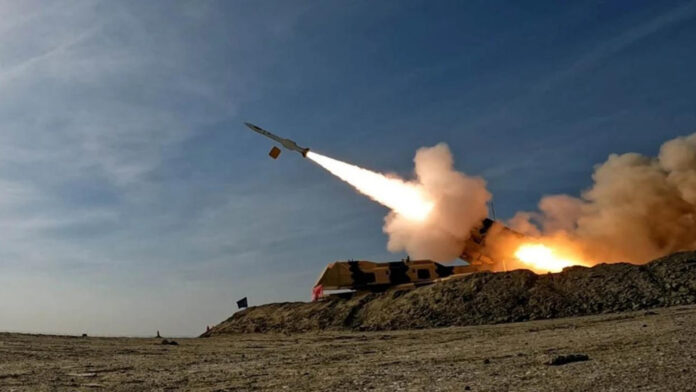
The attacks came shortly after new US airstrikes against Iranian targets, further straining efforts aimed at restoring stability and reviving diplomatic negotiations.
Highlights
- Iran launched fresh drone and missile attacks on Bahrain and Kuwait.
- Tehran warned it could suspend negotiations if US strikes continue.
- Tensions continue to rise over control of the Strait of Hormuz.
- The strategic waterway remains crucial to global oil and gas supplies.
Iran Warns of End to Peace Talks
Iranian officials warned that continued military operations by the United States could derail ongoing diplomatic efforts to end the conflict.
Tehran accused Washington of escalating hostilities through repeated airstrikes, insisting that further attacks would make negotiations impossible.
The warning comes as regional powers continue monitoring the rapidly evolving security situation.
Strait of Hormuz Dispute Intensifies
The latest developments have also reignited tensions over the Strait of Hormuz, one of the world’s most important maritime trade routes.
A multinational maritime security body overseen by the US Navy recently announced plans to expand shipping routes near Oman to facilitate commercial traffic while maintaining regional security.
However, Iran rejected any move that would reduce its influence over the strategic waterway.
Iran Reasserts Its Position
Iranian Foreign Minister Abbas Araghchi maintained that Tehran must continue overseeing the Strait of Hormuz, arguing that alternative arrangements would only prolong instability.
He warned that any attempts to bypass Iran’s role in managing the passage could delay its full reopening and increase tensions across the Gulf.
The Strait of Hormuz remains a vital global energy corridor, with a significant share of the world’s oil and natural gas exports passing through the narrow waterway each day.
Global Concerns Grow
The renewed exchange of attacks has heightened fears of a wider regional conflict, with governments and international markets closely watching developments.
Analysts warn that prolonged instability around the Strait of Hormuz could disrupt global energy supplies and trigger further economic uncertainty.
With diplomacy under increasing pressure and military tensions continuing to rise, the coming days could prove crucial in determining whether the region moves toward de-escalation or a broader conflict.

