
The return of Members of Parliament to the National Assembly this week is expected to reignite intense debate over taxes, government spending, and the rising cost of living. With the Finance Bill 2026 edging closer to discussion, questions are already emerging over how proposed measures could affect ordinary Kenyans.
Highlights
- MPs resume sittings after a month-long recess.
- Budget committee report for the 2026/27 financial year is expected on June 2.
- Debate on the Finance Bill 2026 and Appropriation Bill will follow.
- Tax proposals and cost-of-living concerns remain major public issues.
- Revenue sharing between national and county governments will also be reviewed.
Main Story
Parliament Returns as Budget Season Intensifies
The National Assembly is set to resume sittings on Tuesday, May 26, following several weeks away from the chamber. Although lawmakers were on recess, parliamentary committees continued reviewing ministry budgets and spending proposals behind the scenes.
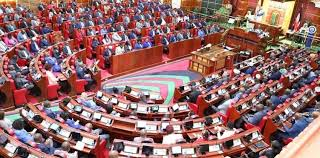
Attention is now shifting to major economic decisions expected to shape Kenya’s next financial year.
Budget Report to Open Debate on Spending and Taxes
One of the first major items expected before the House is the Budget and Appropriations Committee report covering estimates for the 2026–2027 national budget.
The report, anticipated on June 2, will guide discussion on how government funds are distributed and could trigger heated debate around the Finance Bill 2026.
The Finance Bill typically introduces tax changes and fiscal measures, making it one of the most closely watched pieces of legislation—especially during periods of high living costs and public concern over household expenses.
Revenue Sharing Also on the Agenda
Lawmakers are additionally expected to consider amendments from the Senate on the Division of Revenue Bill 2026 and the County Allocation of Revenue Bill.
These proposals determine how nationally collected revenue is divided between the national government and county governments, influencing funding for devolved services such as health, roads, and local development projects.
Public Expectations Growing
As Parliament resumes, pressure is increasing on leaders to balance revenue collection with economic realities facing Kenyans. Discussions around taxation, affordability, and government expenditure are likely to dominate the coming weeks.
The outcome of the Finance Bill debate could have implications beyond Parliament, affecting businesses, workers, and households across the country.
As the Finance Bill returns to the centre of national conversation, many Kenyans will be asking the same question: will new policies ease economic pressure or deepen it?

