
The United States has imposed new tariffs on imports from 60 of its biggest trading partners, including the UK, China, the European Union, Canada, Japan and India. The Trump administration says the move is aimed at pushing countries to do more to stop goods made with forced labour from entering global supply chains.
Highlights
- The US has introduced new tariffs on 60 trading partners.
- Tariff rates range between 10% and 12.5%.
- The measures affect countries including the UK, China, the EU, Canada, Japan and India.
- The Trump administration says the tariffs target countries over forced labour concerns.
- Experts warn the move could increase costs for businesses and consumers.
Main Story
US hits dozens of trading partners with new wave of tariffs
The Trump administration has introduced new import tariffs on 60 major trading partners after a temporary global levy expired.
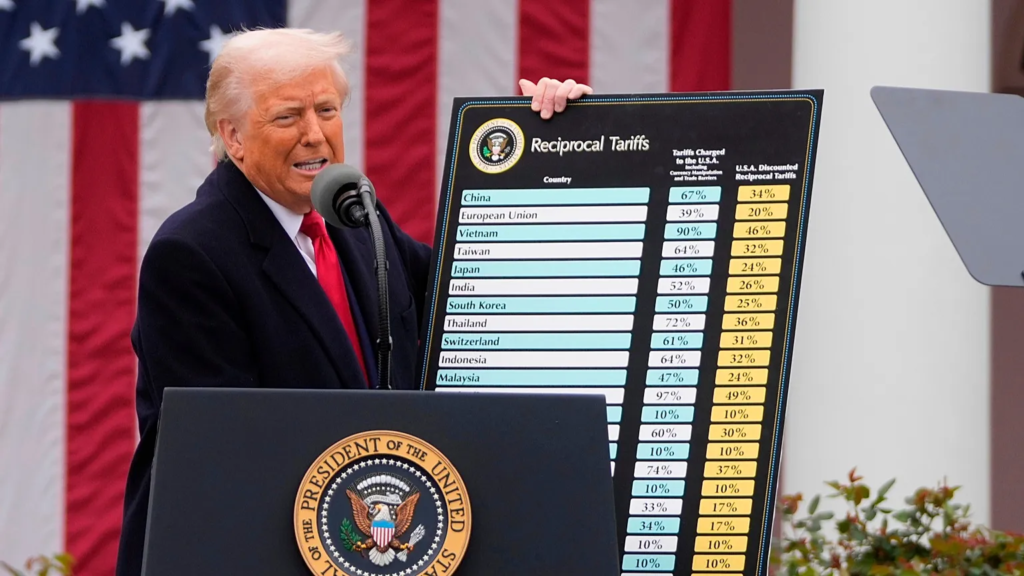
The new duties range from 10% to 12.5% and apply to countries including the United Kingdom, China, the European Union, Canada, Japan and India.
Why the Tariffs Were Introduced
US Trade Representative Jamieson Greer said the tariffs are meant to pressure countries that have not done enough to prevent imports made using forced labour.
Countries that have agreed to strengthen and enforce bans on such goods will face a 10% tariff, while those that have not will pay the higher 12.5% rate.
Concerns Over Global Trade
The new tariffs are expected to affect most of America’s imports and could increase costs for businesses and consumers.
Trade experts say many countries may now look for new markets and reduce their dependence on the United States.
Business groups in the UK have also expressed concern, saying British exporters could now face a disadvantage compared to some European competitors.
The latest tariffs mark another chapter in the ongoing global trade dispute, with businesses around the world closely watching how affected countries will respond.

