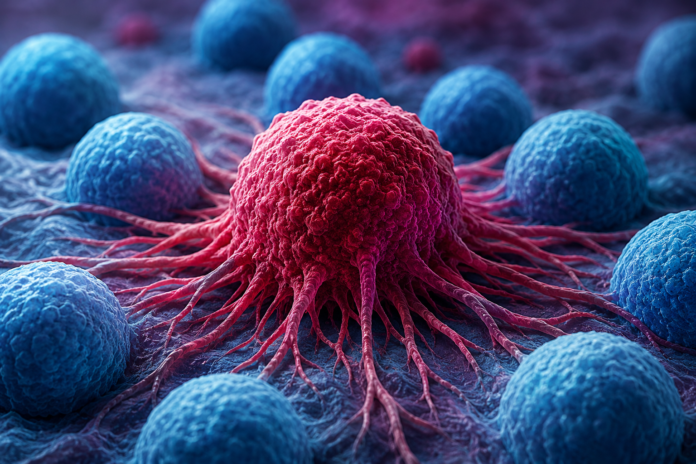
Cancer is one of the leading causes of death across the world, affecting millions of people every year. While medical advances have improved treatment and survival rates, the disease remains deadly because it can spread silently, damage vital organs, and often goes unnoticed until it reaches an advanced stage.
Highlights
- Cancer occurs when abnormal cells grow uncontrollably.
- It can spread to other parts of the body, making treatment more difficult.
- Many cancers show few or no symptoms in the early stages.
- Early detection greatly improves the chances of successful treatment.
- Healthy lifestyle choices can help reduce the risk of developing cancer.
Main Story
What Is Cancer?
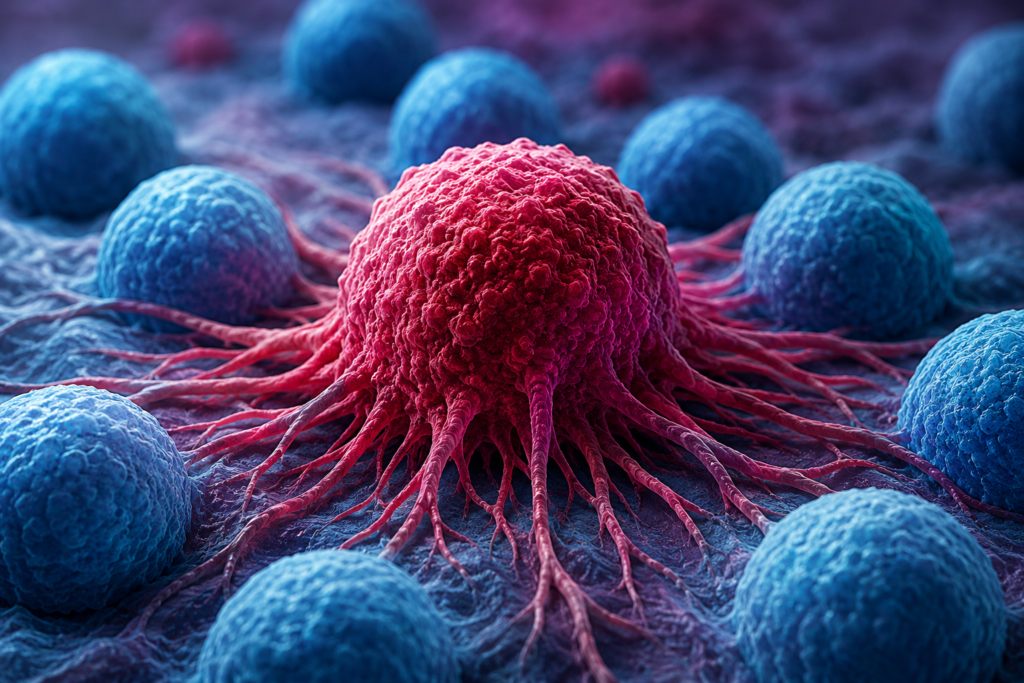
Cancer is not a single disease but a group of diseases that develop when cells in the body begin growing uncontrollably. Instead of dying and being replaced by healthy cells, these abnormal cells continue multiplying and can form tumors or spread through the bloodstream and lymphatic system.
Why Is Cancer So Dangerous?
One of the biggest reasons cancer is considered a deadly disease is its ability to spread to different organs. Once cancer reaches vital organs such as the lungs, liver, brain, or bones, it becomes much harder to treat and can seriously affect how the body functions.
Cancer can also interfere with the normal operation of organs. For example, lung cancer can make breathing difficult, while liver cancer can stop the body from filtering harmful substances.
The Silent Nature of Cancer
Many forms of cancer develop without noticeable symptoms during the early stages. This means some people only discover they have the disease after it has already advanced, making treatment more challenging.
Health experts continue to encourage regular medical check-ups and screening tests, as early diagnosis can significantly improve survival rates.
It Can Weaken the Entire Body
Cancer often drains the body’s energy, leading to fatigue, weight loss, muscle weakness, and poor immunity. In some cases, the disease itself or treatments like chemotherapy may make patients more vulnerable to serious infections.
The good news is that many cancers can be successfully treated, especially when detected early. Modern treatments such as surgery, chemotherapy, radiotherapy, immunotherapy, and targeted therapy have helped millions of patients recover and live longer, healthier lives.
Reducing Your Risk
Although not every case of cancer can be prevented, experts recommend several lifestyle habits that can lower the risk, including avoiding tobacco, limiting alcohol consumption, maintaining a healthy weight, exercising regularly, eating a balanced diet, protecting the skin from excessive sun exposure, and attending recommended cancer screening programmes.
Cancer remains a serious global health challenge, but awareness, early detection, and healthy living continue to give millions of people a better chance of prevention, treatment, and survival.

