
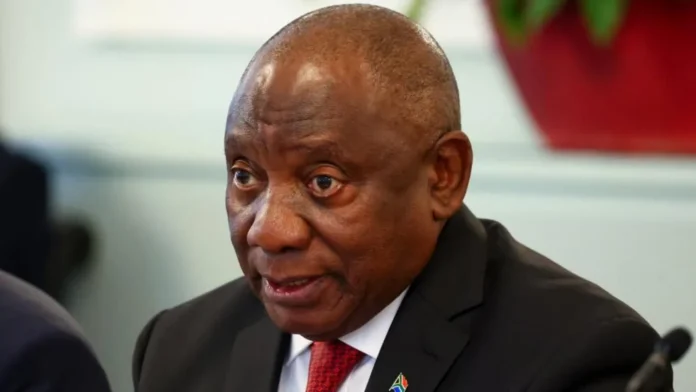
South African President Cyril Ramaphosa is facing fresh political heat after a Constitutional Court ruling found that Parliament acted unlawfully when it blocked impeachment proceedings linked to the Phala Phala scandal. While the court did not find the president guilty of any wrongdoing, the decision has reopened a politically sensitive process and triggered renewed calls for him to resign.
Highlights
- Court rules Parliament unlawfully blocked impeachment process
- Decision revives possibility of formal impeachment proceedings
- Opposition parties intensify calls for Ramaphosa’s resignation
- Case linked to 2020 Phala Phala farm currency theft allegations
- Parliament expected to revisit impeachment decision
Main Story
Court Ruling Sparks Political Shockwaves
South Africa’s Constitutional Court has ruled that the National Assembly acted outside its constitutional mandate when it stopped impeachment proceedings against President Cyril Ramaphosa. The court said Parliament failed in its duty to ensure proper accountability processes were followed.
Although the ruling does not conclude that the president is guilty of misconduct, it has reopened the legal pathway for impeachment to be reconsidered under correct constitutional procedures.
Opposition Pushes for Resignation
Following the judgment, opposition parties have stepped up pressure on Ramaphosa to resign. They argue that the ruling reinforces earlier concerns raised in a parliamentary panel report, which had found prima facie evidence suggesting possible constitutional violations.
The Economic Freedom Fighters (EFF) and other opposition groups have been especially vocal, insisting that the president should step aside to allow a transparent and independent process to take place.
Phala Phala Scandal at the Centre
The political controversy stems from the 2020 incident at Ramaphosa’s Phala Phala game farm, where foreign currency was allegedly stolen. Questions later emerged about how the matter was handled and whether proper legal reporting procedures were followed.
A parliamentary panel had previously recommended further investigation into the matter, but the National Assembly voted against pursuing impeachment, effectively halting the process at the time.
Presidency Defends Ramaphosa
The presidency has consistently maintained that Ramaphosa acted within the law and has denied any criminal wrongdoing. Officials argue that the issue has been heavily politicised by opposition parties seeking to weaken his administration.
Legal experts have also clarified that the court ruling does not automatically trigger impeachment but requires Parliament to reassess its earlier decision using proper constitutional steps.
What Comes Next
Parliament is now expected to revisit the matter, which could lead to renewed debate over whether a formal impeachment inquiry should be launched. The development is likely to deepen political tensions within South Africa’s leadership landscape.
As the ruling party manages internal divisions and opposition pressure grows, the situation continues to add uncertainty to the country’s political direction.
Read Also
- Ethiopian Mother Delivers Rare Quintuplets After 12-Year Fertility Journey
- Former Botswana President Festus Mogae dies aged 86
- Dozens Feared Dead as Jihadist Fighters Attack Villages in Central Mali

