
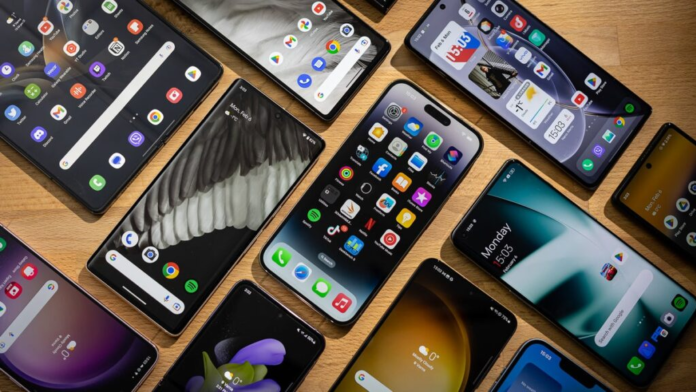
The proposed Finance Bill 2026 is already triggering heated debate after the government introduced plans to impose a 25% excise duty on mobile phones. If passed, the move could significantly increase smartphone prices in Kenya, affecting millions of consumers who rely on mobile devices for communication, business, education, and digital services.
Highlights
- The Finance Bill 2026 proposes a 25% excise duty on mobile phones.
- Smartphone prices could rise sharply if the proposal is approved.
- Critics fear the tax may slow digital inclusion efforts.
- Businesses and consumers are expected to feel the impact.
- The proposal has sparked widespread online debate.
Main Story
The proposed Finance Bill 2026 has introduced a controversial measure that could change how Kenyans access mobile technology.
Under the new proposal, the government plans to introduce a 25% excise duty on mobile phones, a move that would likely push up the cost of both smartphones and basic handsets across the country.
Higher Smartphone Prices Expected
If the proposal becomes law, consumers may have to dig deeper into their pockets to purchase new devices. Industry players say the added tax could lead to a sharp increase in retail prices, especially for mid-range and budget smartphones that are popular among young people and small business owners.
For many Kenyans, mobile phones are no longer luxury items but essential tools used for mobile banking, online learning, digital jobs, entertainment, and communication.
Concerns Over Digital Access
Critics of the proposal argue that the new tax could slow down the country’s digital transformation efforts.
Over the years, Kenya has built a strong reputation as one of Africa’s leading digital economies, largely driven by widespread mobile phone usage and innovations in mobile money services.
Technology experts warn that making phones more expensive may lock out low-income users and widen the digital gap, especially among students and young entrepreneurs.
Mixed Reactions Online
The proposal has sparked intense conversations on social media, with many users questioning the timing of the tax amid the rising cost of living.
Some Kenyans believe the government is looking for additional revenue streams to support public spending, while others feel ordinary citizens are already under heavy financial pressure.
Business owners in the technology and electronics sectors are also monitoring the situation closely, fearing reduced sales if consumers delay upgrading or purchasing devices.
What Happens Next?
The Finance Bill will undergo parliamentary discussions and public participation before any final decisions are made. Lawmakers are expected to debate the potential economic impact of the proposed tax before it can officially take effect.
As discussions continue, many Kenyans will be watching closely to see whether the proposal survives public scrutiny.
As Kenya pushes toward a more digital future, the debate now shifts to whether higher taxes on mobile phones will support economic growth or make connectivity harder to afford for ordinary citizens.

