
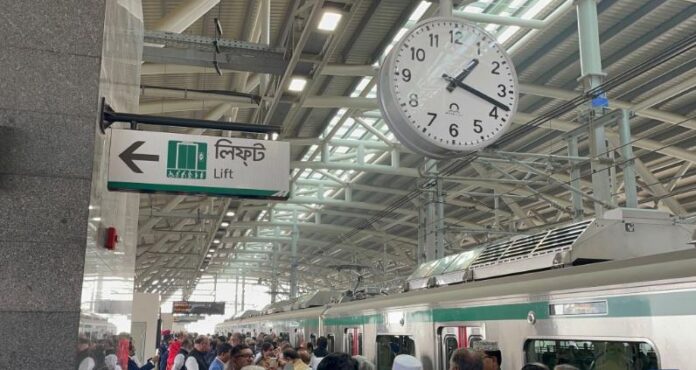
India’s rapid metro expansion has transformed city skylines and promised smoother urban mobility—but beneath the shiny infrastructure lies a growing concern: many of these billion-dollar systems are not attracting as many commuters as expected.
Highlights:
- Major metro systems are operating below projected capacity
- Poor first- and last-mile connectivity discourages users
- Cost of metro travel remains high for many commuters
- Ride-hailing and two-wheelers offer stronger competition
- Experts say metros are long-term investments, not failures
Main Story:
A Modern Transport Vision Meets Ground Reality
Cities across India, including Delhi, Mumbai, Bengaluru, and Hyderabad, have invested heavily in modern metro rail systems designed to ease congestion and improve urban mobility.
While some networks like the Delhi Metro continue to record strong usage, newer systems in cities such as Nagpur and Kochi are yet to reach their full potential.
The First- and Last-Mile Challenge
One of the biggest hurdles facing metro adoption is accessibility. Many stations are located far from residential neighborhoods or office hubs, forcing commuters to rely on additional transport.
Without reliable feeder systems like buses or safe walking paths, many people opt for direct options such as motorbikes or auto-rickshaws instead.
Cost vs Convenience
Affordability also plays a major role. For many daily commuters, metro fares are higher compared to buses or shared transport options.
This cost difference, though small for some, becomes significant for low- and middle-income earners who prioritize savings over speed.
Competition From Everyday Alternatives
India’s transport culture is already dominated by flexible options. Two-wheelers, auto-rickshaws, and ride-hailing platforms like Uber and Ola provide door-to-door convenience that metros cannot match.
For many, avoiding transfers and saving time outweighs the structured efficiency of metro systems.
Urban Planning Gaps
Some metro lines have been developed in anticipation of future growth rather than current demand. Stations located in sparsely populated areas naturally attract fewer passengers, leaving trains underutilized in the short term.
This mismatch between infrastructure and immediate need continues to affect ridership numbers.
Post-Pandemic Shift in Commuting
The effects of COVID-19 still linger in commuting patterns. With more people working remotely or adopting hybrid schedules, daily rush-hour traffic has not fully rebounded, reducing the number of regular metro users.
Not a Failure A Waiting Game
Despite current challenges, experts argue that India’s metro systems are far from failures. These projects are designed with long-term urban growth in mind.
As cities expand and populations increase, demand for efficient, high-capacity transport is expected to rise. Over time, metros could play a key role in reducing congestion and pollution.
What Needs to Change
To boost ridership, cities may need to focus on improving connectivity to metro stations through feeder buses, cycling paths, and pedestrian-friendly routes.
Integrated ticketing, better urban planning around stations, and more affordable fares could also make metros a more attractive option for everyday commuters.
Read Also:
- Tragedy in Nyamira: Man Dies Days After Brutal Burial Assault
- Nairobi CBD on Alert as Police Caution Against Disruptive Protests
- Siaya on Alert After Suspected Anthrax Cases Trigger Livestock Deaths

