
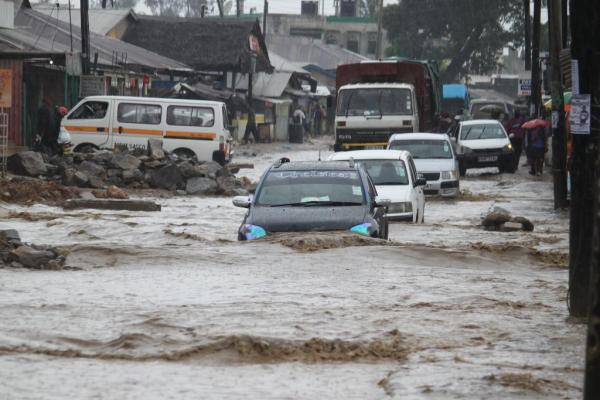
Kenya could be heading into another wetter-than-normal season, with growing signals that El Niño conditions may emerge in the coming months. While forecasts remain uncertain, the outlook is already stirring conversations around flood preparedness, farming opportunities, and climate resilience after recent extreme weather events.
Highlights
- Weather agencies are signaling rising chances of El Niño developing by mid-2026.
- Kenya could experience above-normal rainfall in some regions if conditions strengthen.
- Flood-prone counties may need early preparedness measures.
- Agriculture and water supplies could also benefit from improved rainfall.
- Experts caution forecasts may shift as ocean conditions continue evolving.
Main Story
Kenya Monitoring Possible Return of El Niño
Climate forecasters are closely watching signs that El Niño could return later this year, with projections showing growing odds of the weather phenomenon developing between May and July.
While no full event has been confirmed, regional and global models suggest conditions may gradually shift from neutral patterns toward El Niño, potentially influencing rainfall across East Africa.
For Kenya, the possibility is drawing attention because of the country’s history with El Niño-linked flooding and its wider impact on livelihoods.
What It Could Mean for Rainfall
If the phenomenon develops as projected, some parts of Kenya could receive higher-than-normal rainfall, especially during the short rains season later in the year.
That could bring both opportunity and risk.
For farmers, stronger rains may support crop production and improve water availability after periods of dry conditions. But in vulnerable areas, heavier rainfall may also raise concerns over flash floods, damaged infrastructure and displacement.
Counties with a history of flood impacts are likely to be watching developments particularly closely.
Preparedness Back in Focus
The early outlook has renewed calls for planning ahead rather than reacting after disasters strike.
Disaster management agencies and local authorities may face pressure to strengthen drainage systems, review response plans and sensitize communities in flood-prone zones should forecasts strengthen in the coming months.
Recent flooding episodes have already made climate preparedness a major national concern, and the emerging El Niño outlook is adding urgency to those conversations.
Forecasts Still Carry Uncertainty
Despite the growing probability, meteorologists caution that it remains too early to predict the strength or full impacts of a possible event.
Forecasting during this period often carries uncertainty, and experts say confidence should improve as ocean temperatures and atmospheric conditions become clearer over the next few months.
For now, the focus remains on monitoring the signals and preparing early.
Read Also
- “Stay at Home” Museveni’s Bold Message on Rising Fuel Costs
- IG Kanja Declares War on Gangs and Illegal Guns in Nationwide Crackdown
- Questions Rise After US Navy Leadership Change Announced by Pentagon

