
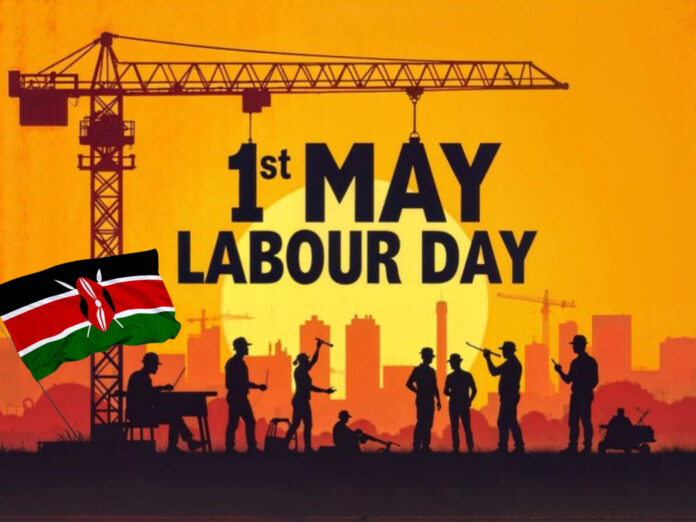
For more than six decades, Labour Day has stood as a symbol of hard work, sacrifice, and the ongoing fight for fair treatment in the workplace. While many people associate the day with public holidays and celebrations, its deeper meaning reflects the struggles and victories of workers who helped shape modern labour rights.
Highlights:
- Labour Day has been observed for 61 years as a tribute to workers and their contributions
- The day recognizes the fight for fair wages, safe working conditions, and employee rights
- Workers across different sectors continue to face modern workplace challenges
- Youth employment and economic pressure remain major concerns today
- Labour Day also highlights the importance of dignity and fairness in work
Main Story:
A Day Built on Workers’ Struggles
Labour Day was established to recognize the efforts and sacrifices made by workers across different industries. Historically, employees around the world fought for reasonable working hours, safer environments, and fair pay during periods when labour laws were either weak or nonexistent.
Over time, the day evolved into a global reminder of the role workers play in building economies and sustaining communities.
Why Labour Day Still Matters
Even after 61 years of celebration, the issues surrounding employment remain relevant. Across many countries, workers continue to push for better salaries, job security, improved healthcare benefits, and fair treatment in workplaces.
The modern workforce has also introduced new conversations around mental health, remote work, digital jobs, and work-life balance. Labour Day now represents not only physical labour but also the changing nature of employment in a fast-moving world.
The Kenyan Perspective
In Kenya, Labour Day remains one of the most significant public holidays. It provides an opportunity for workers, trade unions, employers, and government leaders to reflect on the state of employment and the economy.
The celebration often comes at a time when many young people are navigating unemployment, rising living costs, and uncertainty in the job market. Informal workers, digital creators, boda boda riders, and small business owners have also become an important part of the labour conversation in recent years.
Recognizing Everyday Hustle
Labour Day is also about appreciating ordinary people whose daily efforts keep society moving. From healthcare workers and teachers to farmers, drivers, construction workers, and entrepreneurs, every role contributes to national growth.
For many young Kenyans, the day serves as motivation to keep pushing despite economic challenges and changing opportunities.
Looking Ahead
As workplaces continue to evolve through technology and innovation, Labour Day remains a reminder that progress should always include fairness, dignity, and equal opportunity for workers.
The conversation is no longer only about surviving at work, it is also about creating environments where people can grow, thrive, and build stable futures.
Labour Day may be marked once a year, but the value of workers is felt every single day.
Read Also:
- Ruto Rewards Marathon Star Sabastian Sawe After Historic Sub-2 Hour Run
- London Shock as Terror Probe Launched After Stabbing of Two Jewish Men

