
The fitness world is full of advice, but not all of it is true. From viral workout hacks to outdated gym beliefs, many people still follow myths that can slow progress, create unrealistic expectations, or even harm their health.
Highlights:
- Sweating more does not mean you’re burning more fat
- Spot reduction is not scientifically proven
- Cardio alone is not the fastest way to lose weight
- Rest days are important for muscle recovery
- Lifting weights won’t automatically make you “too bulky”
Main Story:
Myth 1: Sweating Means You’re Burning Fat
A lot of people think the more they sweat, the more fat they lose. In reality, sweat is simply your body cooling itself down. While intense workouts can help burn calories, sweating alone is not a direct sign of fat loss.
Myth 2: You Can Burn Fat From One Specific Area
Many still believe doing endless sit-ups will magically remove belly fat. The truth is, the body loses fat overall — not from one targeted spot. This idea, often called “spot reduction,” has been widely challenged by fitness experts.
Myth 3: Cardio Is All You Need for Weight Loss
Cardio can help with calorie burning, but relying on it alone isn’t always effective. Strength training is equally important because building muscle helps increase metabolism over time.
Combining balanced nutrition, cardio, and resistance training usually delivers better results.
Myth 4: Lifting Weights Makes You Bulky
This myth especially affects women who avoid strength training out of fear of becoming overly muscular. In reality, gaining large amounts of muscle requires intense training, genetics, and specific nutrition plans.
Weight training often helps improve body tone, strength, and overall fitness.
Myth 5: More Workouts Mean Better Results
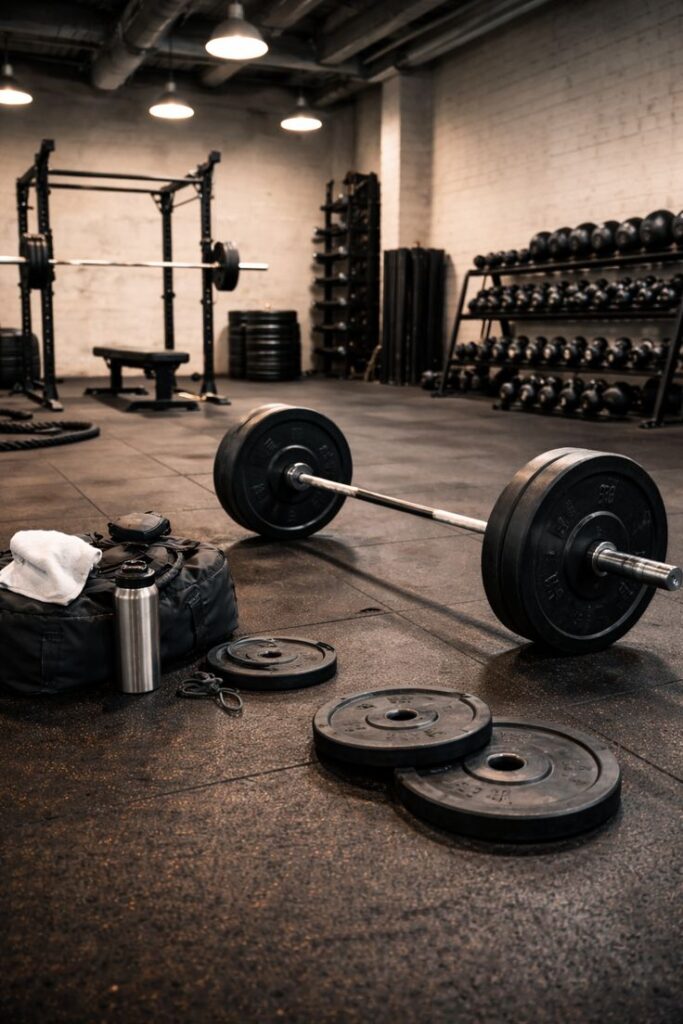
Working out every single day without rest can actually slow progress and increase injury risk. Recovery is an important part of fitness because muscles need time to repair and grow.
Rest days are not laziness, they’re part of the process.
Myth 6: No Pain, No Gain
While workouts can be challenging, extreme pain is not a requirement for success. Sharp pain, dizziness, or discomfort could signal injury or overtraining.
Fitness should push you, not damage you.
Myth 7: Healthy Eating Means Eating Less
Many people assume fitness is about starving yourself or eating tiny portions. In reality, your body needs proper nutrition and enough fuel to function well during workouts and recovery.
The goal is balance, not punishment.

In fitness, progress comes from knowledge and consistency, not myths that sound good online.
Read Also:
- Craving More? The Foods That Could Be Causing It
- Gym Anxiety Is Real: How to Start Working Out Without Feeling Watched

