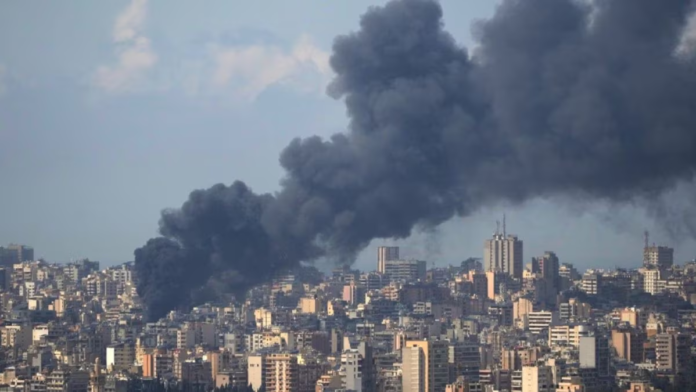
Fresh tensions have erupted between Iran and the United States after Iran claimed responsibility for targeting an American military base in the region following overnight US strikes on southern Iran. The latest confrontation has raised fears that the fragile ceasefire between the two countries could completely collapse.
Highlights
- Iran said it targeted an American air base after fresh US strikes.
- Kuwait reported intercepting missile and drone threats.
- The US accused Iran of violating the ceasefire agreement.
- American forces reportedly intercepted Iranian drones over the Strait of Hormuz.
- Rising hostilities have renewed fears of wider regional conflict.
Main Story
Iran Claims Retaliatory Attack
Islamic Revolutionary Guard Corps announced that it had targeted a US military air base in response to fresh American strikes carried out overnight in southern Iran.
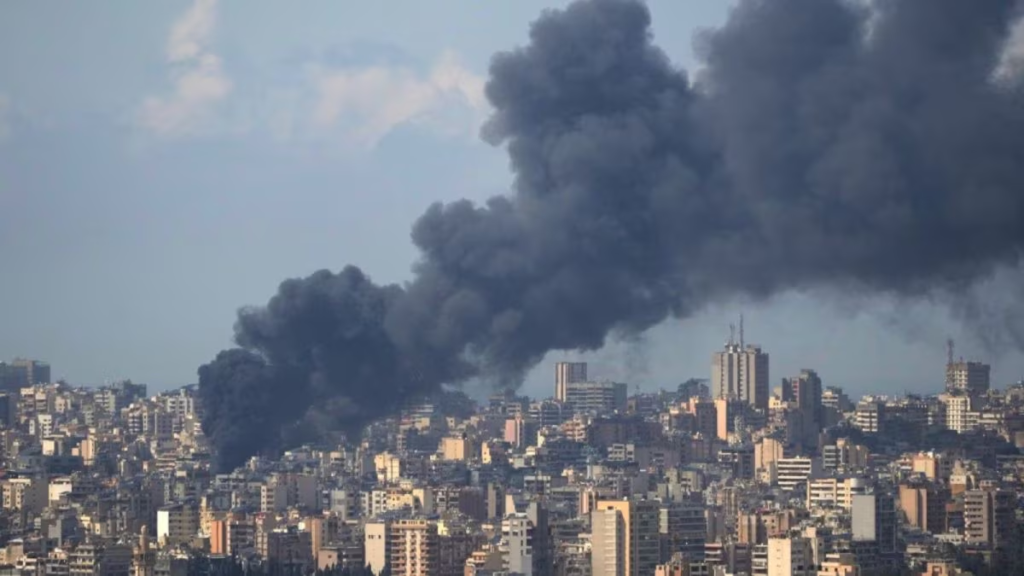
Although the IRGC did not specify the exact location of the base, Kuwait later confirmed that its air defense systems intercepted what it described as hostile missile and drone threats within its territory.
The US military also acknowledged that Iran launched a ballistic missile toward Kuwait, adding that Kuwaiti forces successfully intercepted it before impact.
Fresh US Strikes Trigger Escalation
The Iranian response came shortly after the US military reportedly intercepted Iranian drones over the Strait of Hormuz and carried out strikes targeting a military facility in Bandar Abbas, a major port city in southern Iran.
According to the US Central Command, Iranian forces had launched several one-way attack drones in and around the strategic waterway, prompting what Washington described as defensive military action.
Centcom said all drones were intercepted and insisted its operations were meant to preserve the ceasefire and protect regional security.
Ceasefire Under Threat
The latest exchange has increased uncertainty surrounding the already fragile truce between Washington and Tehran.
Iranian Foreign Ministry spokesperson Esmail Baqai condemned the US attacks, accusing Washington of violating the ceasefire agreement and threatening Iran’s sovereignty.
He warned that Iran would take necessary measures to defend itself against further aggression.
Meanwhile, Kuwait strongly criticized the missile and drone threats directed toward its territory, describing them as criminal attacks that endangered regional stability.
Growing Regional Concerns
The continued military exchanges between Iran and the United States are raising concerns across the Middle East, especially around the Strait of Hormuz, one of the world’s most important oil shipping routes.
Analysts fear that continued retaliatory attacks could destabilize the region further and impact global energy markets if tensions continue escalating.
As both sides trade accusations and military strikes, the world is watching closely to see whether diplomacy can still prevent a deeper regional conflict.

