
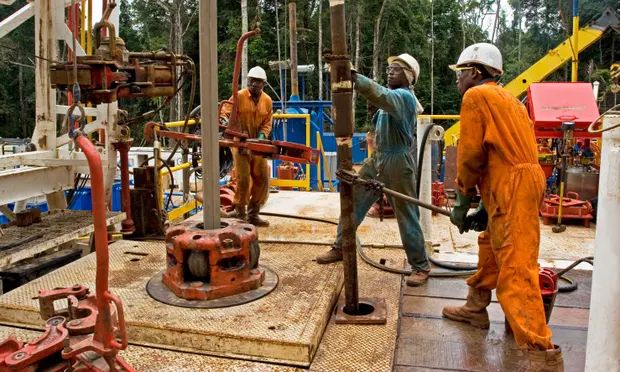
A major legal breakthrough has opened the door for hundreds of Kenyans to seek justice over alleged toxic pollution, after the High Court allowed a class action case against a British oil company to proceed.
Highlights
- High Court has allowed a class action lawsuit to proceed
- 299 petitioners are seeking justice over toxic waste claims
- Pollution dates back to oil exploration in the 1980s
- Communities claim water contamination caused illness and deaths
- Government agencies are also accused of failing to act
Main Story
Court Clears Major Case
A High Court ruling delivered on April 16 has paved the way for a landmark environmental case involving communities from northern Kenya.
The decision allows a class action lawsuit filed by 299 petitioners to move forward, bringing renewed hope for accountability after decades of alleged harm.
Claims of Toxic Pollution
The case centers on claims that hazardous waste from oil exploration activities in the 1980s was improperly handled in parts of the Chalbi Desert.
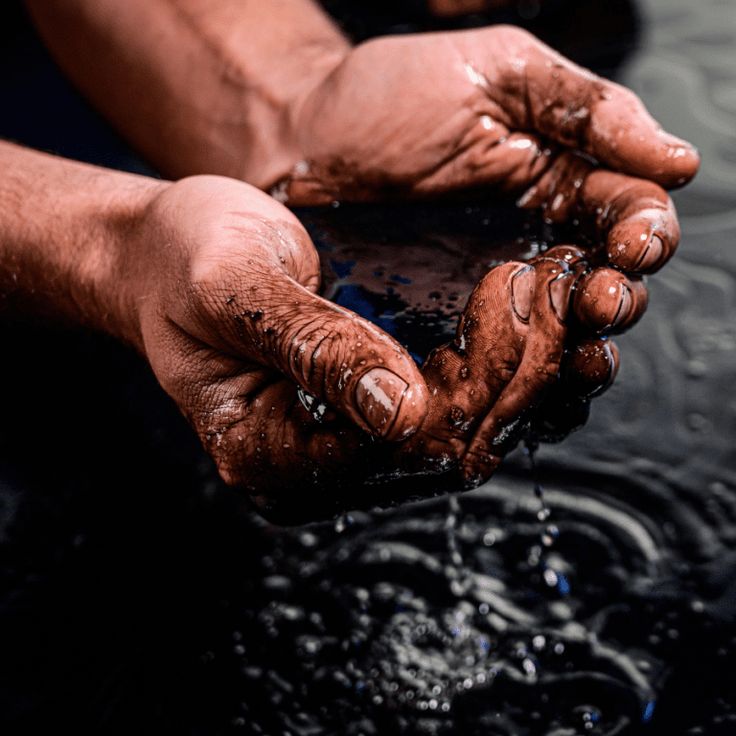
According to the petition, dangerous substances were either dumped in open pits or left exposed, leading to contamination of water sources used by nearby communities.
Communities Bear the Impact
Residents from areas around Kargi and Kalacha say the pollution had devastating effects, including serious illnesses and loss of livestock.
The petitioners claim that contaminated water contributed to numerous health complications, with reports linking the pollution to deaths from cancer and other diseases over the years.
Government Under Scrutiny
In addition to the oil company, the lawsuit also names several Kenyan government bodies.
The petition accuses agencies responsible for environment, water, mining, and health of failing to respond adequately despite evidence pointing to the pollution.
Fight for Accountability
The case now moves forward as communities seek justice for environmental damage and long-term health impacts.
For many affected families, the ruling represents a crucial step toward recognition and potential compensation after years of silence.
For communities in northern Kenya, this case is more than a lawsuit, it’s a long-awaited fight for truth, justice, and accountability.
Read Also
- Two KFS Officers Suspended After Suspect Dies at Forest Station
- Apartheid-Era Negotiator Named South Africa’s US Ambassador

