
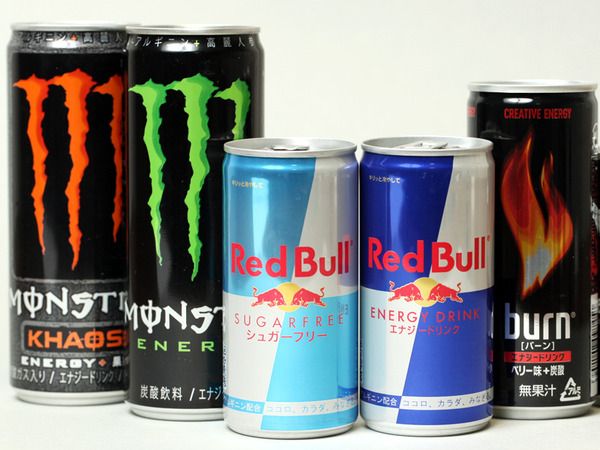
Energy drinks have become the go-to fix for exhausted students, overworked employees, gym lovers, and partygoers looking for an instant boost. But behind the flashy cans and promises of “extreme energy” lies a growing conversation about their impact on health, sleep, and mental wellbeing. While they may offer temporary alertness, experts warn that relying on them too often could come with serious consequences.
Highlights
Energy drinks contain high levels of caffeine and sugar.
Excessive intake can affect sleep, anxiety levels, and heart health.
Many young people consume them to stay awake or improve performance.
Mixing energy drinks with alcohol increases health risks.
Health experts advise moderation and proper hydration.
Main Story
Why Energy Drinks Are So Popular
From university campuses to Nairobi nightlife, energy drinks have become part of everyday culture. Many people use them to survive long work shifts, gaming sessions, exam periods, or intense workouts.Their appeal is simple: fast energy, improved focus, and the feeling of staying productive longer. Social media marketing and celebrity endorsements have also helped position these drinks as symbols of hustle culture and nonstop ambition.But while the temporary boost feels effective, the body often pays the price later.
What’s Actually Inside the Can?
Most energy drinks are packed with caffeine, sugar, and stimulants like taurine and guarana. Some contain caffeine levels far beyond what’s found in a regular cup of coffee.This combination can temporarily increase alertness and reduce fatigue. However, consuming large amounts regularly may lead to headaches, rapid heartbeat, dehydration, restlessness, and sleep problems.For some users, the “energy crash” that follows can feel worse than the original exhaustion.
The Link Between Energy Drinks and Anxiety
Health professionals continue to raise concerns about how energy drinks affect mental wellness. High caffeine intake can increase feelings of nervousness, panic, irritability, and stress, especially among young people already dealing with pressure from school, finances, or work.Some users report becoming dependent on energy drinks just to function during the day, creating a cycle of fatigue and overstimulation.Sleep experts also warn that consuming them late in the evening can interfere with deep sleep, making people even more tired the next day.
Mixing Energy Drinks With Alcohol
One of the biggest concerns is the growing trend of mixing energy drinks with alcohol during parties and nightlife events.Because caffeine masks feelings of drunkenness, many people end up drinking more alcohol than their bodies can safely handle. This can increase the risk of dehydration, poor judgment, accidents, and dangerous heart-related complications.Medical experts say the combination puts extra stress on the body, especially when consumed frequently.Moderation Is KeyEnergy drinks are not automatically dangerous when consumed responsibly. Occasional use may not pose major risks for healthy adults.However, doctors recommend paying attention to caffeine intake, staying hydrated, eating properly, and getting enough rest instead of depending entirely on stimulants for energy.Real energy, they say, still comes from sleep, nutrition, exercise, and balanced routines, not just what’s inside a brightly colored can.
Read Also
Man who Murdered Teen Tiktok Star Charged
Closing Line
In a world obsessed with moving faster and doing more, the biggest flex might simply be learning when your body needs rest instead of another can of energy.

