
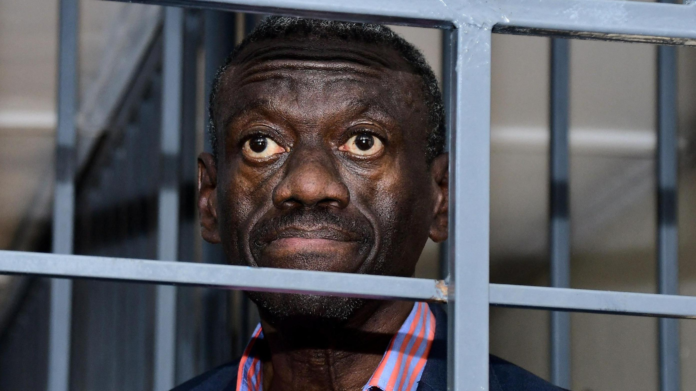
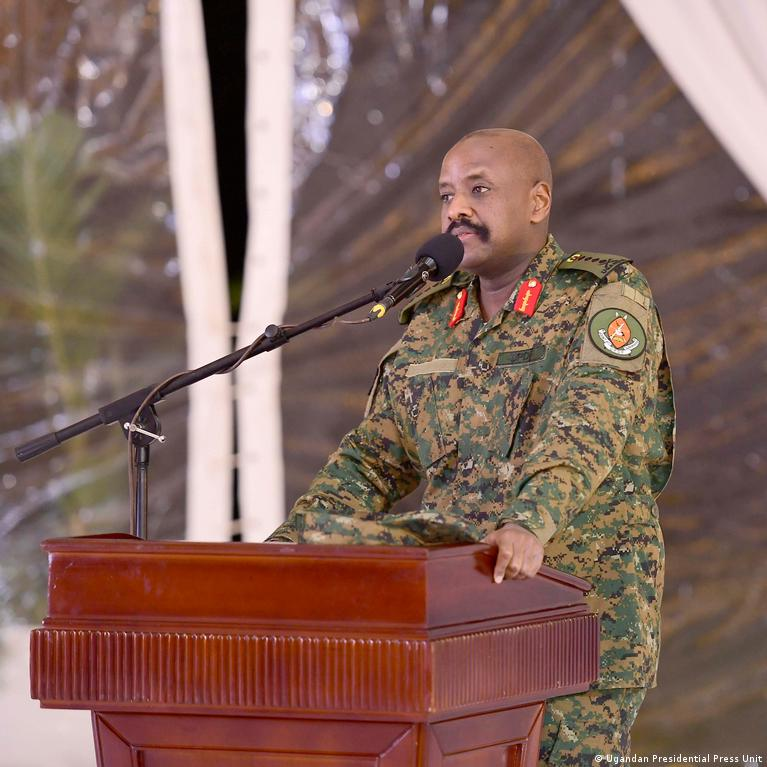
Detained Ugandan opposition figure Dr. Kizza Besigye has filed a legal challenge against Chief of Defence Forces Gen. Muhoozi Kainerugaba, accusing him of violating his constitutional rights through repeated public threats against his life. The case adds another layer to the high-profile treason proceedings facing Besigye, who has been in custody since his controversial arrest in Nairobi in November 2024.
Highlights
- Dr. Kizza Besigye has sued Gen. Muhoozi Kainerugaba over alleged death threats.
- Besigye claims his constitutional rights have been violated.
- He and his aide Obeid Lutale have been in detention since November 2024.
- The opposition leader is challenging the legality of his arrest and prosecution.
- The treason case is set to resume on June 11, 2026.
Main Story
Besigye Moves to Court Over Alleged Threats
Veteran Ugandan opposition leader Kizza Besigye has petitioned the High Court, seeking legal redress against Muhoozi Kainerugaba over a series of social media posts that allegedly threatened his life.
In the application, Besigye argues that statements made by the army chief, who is also the son of Ugandan President Yoweri Museveni, violated his constitutional protections and raised serious concerns about his safety while in detention.
Arrest and Transfer From Nairobi
Besigye and his aide, Hajji Obeid Lutale, were arrested in November 2024 while attending a book launch in Nairobi hosted by Martha Karua.
Following their arrest, the pair were transferred to Uganda, where prosecutors charged them with treason-related offences.
In their court filing, Besigye and Lutale contend that they were moved across the border without proper extradition procedures. They further claim they were held at Makindye Military Barracks, denied timely access to legal representation, family members and medical care before being presented before a military court.
Questions Over Military Trial
A key issue raised in the application concerns whether civilians can legally be tried before a military tribunal.
Besigye argues that subjecting him to proceedings before the General Court Martial infringes on his right to a fair hearing and due process under Uganda’s Constitution.
The application seeks to halt the ongoing criminal proceedings until the constitutional questions surrounding the case are determined.
Social Media Posts at the Centre of the Suit
The opposition leader cited several posts allegedly published by Gen. Muhoozi on X, in which the army chief made remarks suggesting Besigye should be executed.
According to court documents, some of the posts referenced hanging or shooting Besigye, with one post allegedly stating that Heroes’ Day would be an appropriate day for his execution.
Besigye argues that such statements, made by the country’s top military officer, amount to direct threats and undermine confidence in the fairness of the judicial process.
Serious Treason Allegations
Meanwhile, prosecutors have levelled a series of allegations against Besigye and his co-accused.
The State claims they participated in meetings held in Geneva, Athens, Nairobi and Kampala aimed at mobilising funds, acquiring weapons and coordinating paramilitary activities.
Investigators also allege that Besigye was involved in plans to recruit and train Ugandan nationals outside the country, alongside other claims involving counterfeit currency, missiles and alleged plots targeting senior government officials.
Authorities maintain that they possess digital evidence, including audio recordings, video footage, social media activity, immigration records and phone data, which they say support the charges.
Besigye has consistently denied wrongdoing.
Case to Resume in June
Besigye and Lutale remain in remand custody as legal battles over both the constitutional petition and the treason case continue.
The matter is expected to return to court on June 11, 2026, when prosecutors are scheduled to present their first witness in the trial.
As the courtroom battle unfolds, the case is set to test not only the limits of political speech and military authority in Uganda, but also the strength of constitutional protections for opposition voices.

