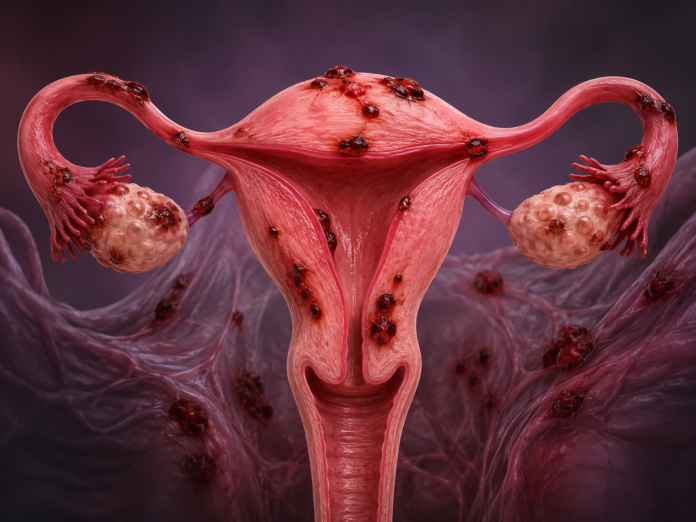
For many women, severe period pain is dismissed as something they simply have to endure. But when menstrual pain becomes debilitating, affects daily life or comes with heavy bleeding, infertility and chronic pelvic pain, it may be a sign of endometriosis. The chronic condition affects an estimated 10 per cent of women of reproductive age globally, yet diagnosis can take years.
The experiences of Kenyan women such as the late media personality Jahmby Koikai and content creator Natalie Githinji have helped bring the condition into the public conversation, highlighting the physical, emotional and financial burden it can create.
Highlights
- Endometriosis occurs when tissue similar to the lining of the uterus grows elsewhere in the body.
- Severe period pain is one of its most common symptoms, but it is not the only warning sign.
- The condition can affect fertility, sexual health, mental wellbeing and everyday activities.
- There is currently no definitive cure, but treatment can control symptoms and improve quality of life.
- Early medical assessment can help reduce the impact of the disease.
Main Story
What Is Endometriosis?
Endometriosis is a chronic condition in which tissue similar to the endometrium the tissue that normally lines the inside of the uterus grows outside the uterus.
These growths most commonly occur around the pelvic organs, including the ovaries and areas around the uterus, but endometriosis can sometimes affect other parts of the body. The tissue can trigger inflammation and the development of scar tissue and adhesions.
The condition affects people from the beginning of menstruation through menopause and can have a major effect on quality of life.
How Does Endometriosis Occur?
There is no single confirmed cause of endometriosis.
Researchers are still studying why endometrium-like tissue develops outside the uterus and why it affects some people but not others. Evidence points to several possible factors, including immune-system changes and genetic or family-history links.
This means someone should not blame themselves for developing the condition. There is also currently no proven way to completely prevent endometriosis.
What Are the Symptoms?
Endometriosis does not affect everyone in exactly the same way. Some people experience severe symptoms, while others may have few or no obvious symptoms.
Common symptoms include:
- Severe pain during periods
- Persistent pelvic pain
- Heavy menstrual bleeding
- Pain during sexual intercourse
- Pain when passing stool or urinating, particularly around menstruation
- Bloating and nausea
- Fatigue
- Difficulty becoming pregnant
The condition can also affect mental wellbeing, with chronic pain and other symptoms associated with anxiety, depression and social isolation.
When Period Pain Should Not Be Ignored
Period pain is common, but severe or worsening pain should not simply be accepted as normal.
If menstrual pain regularly prevents someone from going to work, attending school, exercising or carrying out everyday activities, it is worth discussing the symptoms with a healthcare professional.
According to the World Health Organization, diagnosis of endometriosis is frequently delayed, with the average time to diagnosis estimated at between four and 12 years
How Does Endometriosis Affect Someone?
The impact can go far beyond painful periods.
Physical Health
Chronic pelvic pain can make ordinary activities difficult. Heavy menstrual bleeding can also contribute to iron deficiency and fatigue.
In some cases, endometriosis is associated with infertility. WHO notes that among women experiencing infertility, an estimated 25–50 per cent may have
Mental Health
Living with persistent pain can take an emotional toll. The uncertainty surrounding symptoms, repeated medical appointments and concerns about fertility can contribute to anxiety, depression and isolation.
Relationships and Sex Life
Endometriosis can cause pain during sex, potentially affecting intimacy and relationships. It can also create emotional strain for people dealing with chronic symptoms.
Work and Everyday Life
For some people, the symptoms are severe enough to interfere with school, employment and social activities. This can lead to missed opportunities, lost income and additional healthcare expenses.
Jahmby Koikai’s Long Battle
Kenyan media personality Jahmby Koikai became one of the country’s most recognisable voices in the fight for greater awareness of endometriosis.
Koikai lived with the condition for decades and was particularly affected by thoracic endometriosis, a form involving the chest. Her health journey included repeated surgeries and serious complications.
She died in June 2024 while receiving treatment, after years of publicly documenting her experience and advocating for better access to healthcare. Her death renewed conversations about the seriousness of endometriosis and the need for greater awareness in Kenya.
Kenya’s Parliament subsequently recorded a statement recognising Koikai’s struggle with endometriosis and her contribution to raising awareness of the disease.
Natalie Githinji’s Experience
Content creator and radio personality Natalie Githinji has also spoken publicly about living with endometriosis.
She has described experiencing painful periods and a long journey before receiving a diagnosis. Her experience demonstrates how the condition can affect not only physical health but also relationships, emotional wellbeing and everyday life.
Her story, alongside Koikai’s advocacy, has helped make endometriosis more visible among young Kenyans.
What Treatment Is Available?
There is currently no treatment that permanently cures endometriosis. Instead, treatment focuses on controlling pain, managing symptoms, slowing the impact of the condition and addressing fertility concerns where necessary. The appropriate option depends on factors such as symptom severity, side effects, long-term safety and whether someone wants to become pregnant.
Pain Medication
Doctors may recommend painkillers, including non-steroidal anti-inflammatory drugs such as ibuprofen or naproxen, to help manage endometriosis-related pain.
These medicines are not suitable for everyone, so they should be used according to professional medical advice.
Hormonal Treatment
Hormonal medicines can reduce the frequency or intensity of symptoms for some patients.
Options may include combined hormonal contraceptives, progestin-based treatments and medicines that affect gonadotropin-releasing hormone (GnRH). Some hormonal treatments may not be appropriate for someone who is trying to become pregnant.
Surgery
For some patients, surgery may be considered to remove endometriosis lesions, adhesions or scar tissue.
Surgery is not automatically required for everyone, and symptoms can return after treatment. In more severe cases, specialists may discuss additional surgical options depending on the individual’s circumstances and reproductive plans.
Fertility Treatment
Endometriosis can make it harder for some people to conceive. Depending on the individual situation, fertility specialists may consider treatments such as ovulation induction, intrauterine insemination or in-vitro fertilisation.
Why Early Diagnosis Matters
One of the biggest challenges surrounding endometriosis is that severe symptoms can be normalised.
A person who repeatedly misses work or school because of period pain, experiences unusually heavy bleeding or struggles with persistent pelvic pain should consider seeking medical assessment rather than simply assuming the symptoms are part of a normal menstrual cycle.
Diagnosis may involve a detailed medical and menstrual history, physical assessment and imaging such as ultrasound or MRI. In some situations, surgery may be used to confirm the diagnosis, although WHO notes that surgery is not necessarily required before treatment begins.
Jahmby Koikai’s death and the public experiences shared by women such as Natalie Githinji have shown why conversations around endometriosis cannot stop at awareness.
Endometriosis may be invisible from the outside, but the pain and disruption it causes are real and no one should have to suffer in silence before being taken seriously.

