A Chinese investigative journalist at the centre of a diplomatic dispute could soon be deported from Thailand after Beijing formally requested his extradition. Human rights organisations are warning that sending him back to China could expose him to political persecution, arbitrary detention and torture because of his reporting on alleged government corruption.
Highlights
- China has formally asked Thailand to extradite journalist Bai Zhaodong.
- Rights groups say he faces political persecution if returned to China.
- Bai has reportedly been held in a Bangkok immigration detention centre since January.
- Beijing says he is wanted over alleged extortion and bribery charges.
- Human rights organisations are urging Thailand to reject the extradition request.
Main Story
China Seeks Journalist’s Return
China has formally requested that Thailand extradite Chinese journalist Bai Zhaodong, who has been living in the country after fleeing China.
According to rights organisations Reporters Without Borders (RSF) and Safeguard Defenders, Thai authorities have detained Bai since January, preventing him from leaving the country while holding him at an immigration detention facility in Bangkok.
The groups argue that the extradition request is politically motivated and have urged Thailand not to send him back.
Beijing Defends Its Position
China’s Foreign Ministry confirmed that it had requested Bai’s “prompt return,” saying he is wanted over allegations of extortion and bribery involving a non-public servant.
The ministry also insisted that China protects freedom of speech within its legal framework and defended the country’s record on journalism.
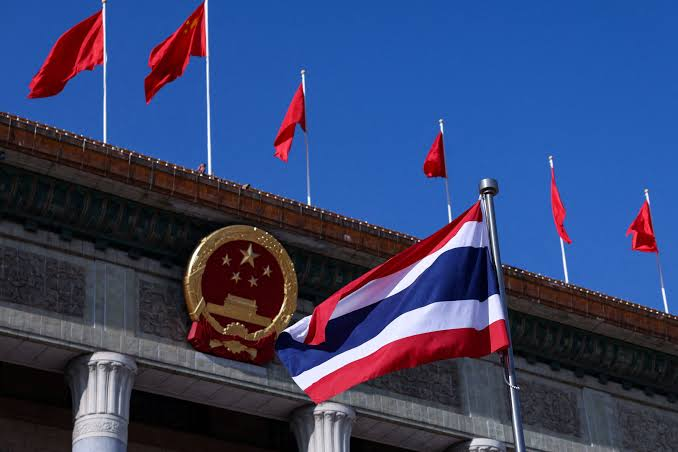
Thai authorities have not publicly commented on the extradition request. The development comes as Thailand’s Prime Minister is on an official visit to China, where meetings with senior Chinese leaders are expected.
Rights Groups Warn of Serious Risks
Human rights organisations claim Bai became a target after publishing investigations that allegedly exposed corruption and financial fraud involving local officials and members of the Chinese Communist Party.
They say the investigations resulted in increased surveillance, repeated interrogations, criminal charges and periods of detention, eventually forcing him to flee China in 2023.
The groups added that Chinese authorities later issued an arrest warrant against him.
Fears of Political Persecution
Safeguard Defenders has urged Thailand to resist pressure from Beijing, warning that Bai could face arbitrary detention, enforced disappearance, torture and other serious human rights violations if deported.
Reporters Without Borders echoed those concerns, saying the journalist’s safety would be at significant risk should he be returned to China.
As international pressure grows, Thailand now faces a difficult decision that could have major implications for press freedom, diplomacy and human rights.

