
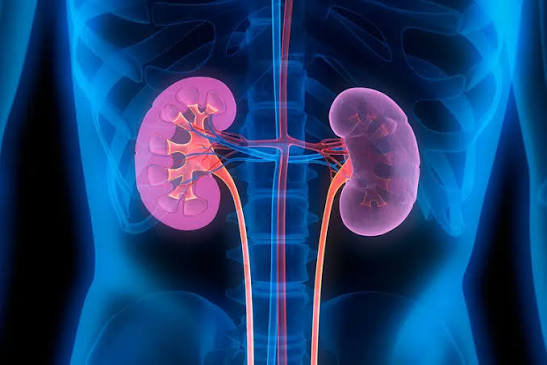
Your kidneys work around the clock to keep your body healthy by filtering waste, balancing fluids and regulating blood pressure. But when these vital organs begin to fail, the consequences can be life-threatening. The good news is that many cases of kidney failure can be prevented or managed through early diagnosis, proper treatment and healthy lifestyle choices.
Highlights
- Kidney failure occurs when the kidneys can no longer filter waste and excess fluids effectively.
- Diabetes and high blood pressure are the leading causes of kidney disease.
- Early symptoms can be mild, making regular health check-ups important.
- Treatment may include medication, dialysis or a kidney transplant.
- A healthy diet plays a key role in protecting kidney function.
Main Story
What Is Kidney Failure?
Kidney failure, also known as renal failure, happens when one or both kidneys lose their ability to remove waste products and excess fluid from the blood. As toxins build up in the body, they can affect other organs and lead to serious health complications if left untreated.
There are two main types of kidney failure:
- Acute Kidney Injury (AKI): Develops suddenly, often over a few hours or days, and may be reversible with prompt treatment.
- Chronic Kidney Disease (CKD): Develops gradually over months or years and can eventually progress to permanent kidney failure.
What Causes Kidney Failure?
Kidney failure can result from several medical conditions and lifestyle factors. The most common causes include:
- Diabetes
- High blood pressure (hypertension)
- Chronic kidney infections
- Kidney stones that block urine flow
- Polycystic kidney disease
- Autoimmune diseases such as lupus
- Severe dehydration
- Serious infections like sepsis
- Long-term misuse of certain medications, especially some painkillers
- Reduced blood flow to the kidneys due to heart disease or severe blood loss
Managing these conditions early can significantly reduce the risk of developing kidney failure.
Warning Signs You Should Never Ignore
Kidney disease often develops silently, with symptoms appearing only after significant damage has occurred. Some common warning signs include:
- Swollen feet, ankles or face
- Persistent fatigue
- Changes in urination
- Blood or foam in urine
- Nausea and vomiting
- Loss of appetite
- Muscle cramps
- Persistent itching
- Difficulty concentrating
- Shortness of breath
- High blood pressure that is difficult to control
Anyone experiencing these symptoms should seek medical attention promptly.
How Is Kidney Failure Treated?
Treatment depends on the severity and underlying cause of the condition.
Doctors may recommend medications to control blood pressure, manage diabetes, reduce swelling or treat complications such as anaemia.
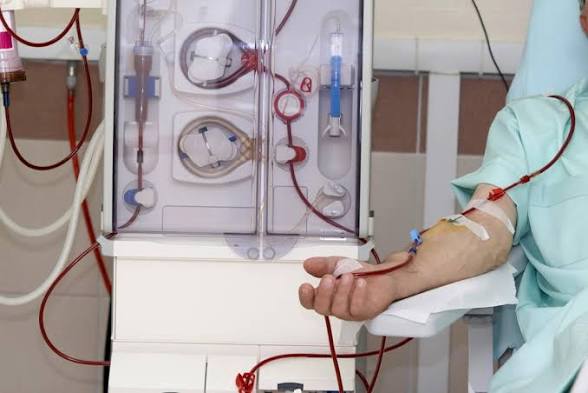
For advanced kidney failure, dialysis may be necessary to remove waste and excess fluid from the body. In severe cases, a kidney transplant may offer the best long-term solution.
Early diagnosis greatly improves treatment outcomes.
Foods That Support Healthy Kidneys
A balanced diet can help protect kidney function and slow the progression of kidney disease. Foods commonly recommended include:
- Apples
- Blueberries
- Cauliflower
- Cabbage
- Garlic
- Onions
- Bell peppers
- Cranberries
- Egg whites
- Salmon and other omega-3-rich fish
- Skinless chicken
- Olive oil
- White rice (for some patients)
Always follow a healthcare professional’s dietary advice, as nutritional needs vary depending on the stage of kidney disease.
Foods to Limit
People with kidney disease are often advised to reduce their intake of:
- Salty foods
- Processed foods
- Sugary drinks
- Alcohol
- Foods high in potassium, such as bananas, oranges and potatoes
- Foods rich in phosphorus, including processed meats and some dairy products
- Excess red meat
Can Kidney Failure Be Prevented?
While not every case can be avoided, healthy lifestyle choices can lower the risk. Doctors recommend:
- Controlling blood pressure
- Managing diabetes effectively
- Drinking enough water
- Eating a healthy, balanced diet
- Exercising regularly
- Avoiding smoking
- Limiting alcohol consumption
- Avoiding unnecessary use of medications that may damage the kidneys
- Going for regular medical check-ups, especially if you have diabetes, hypertension or a family history of kidney disease
Your kidneys may be small, but they play a huge role in keeping your body healthy. Looking after them today through healthy habits and regular check-ups could help prevent serious health problems in the future.

