
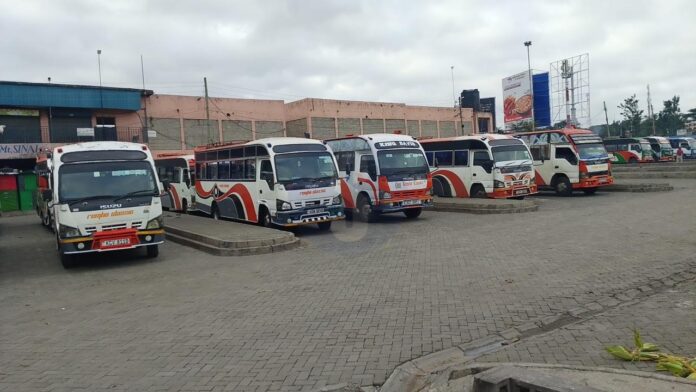
Thousands of Kenyans were stranded on Monday after matatu operators across the country staged a nationwide strike over rising fuel prices and the high cost of living. From Nairobi to Kisumu and Mombasa, commuters faced deserted bus stages, long queues, and painful walks to work as the transport crisis disrupted movement in multiple counties.
Highlights
- Nationwide matatu strike disrupted transport across at least nine counties.
- Commuters in Nairobi, Kisumu, Mombasa, and Rongai were left stranded.
- Fuel price hikes pushed some operators to suspend services entirely.
- Online taxi drivers and truck operators joined the protest in solidarity.
- Treasury CS John Mbadi blamed global market pressures for rising fuel costs.
Main Story
Transport Crisis Hits Major Kenyan Towns
A nationwide matatu strike caused major disruptions across Kenya on Monday, leaving thousands of commuters struggling to get to work, school, and business centres.
Bus stops and transport terminals in Nairobi, Mombasa, Kisumu, Rongai, and several other towns were overwhelmed as matatu operators withdrew services in protest against rising fuel prices and operating costs.
In many areas, commuters were forced to walk for kilometres after finding no available public transport. Others queued for hours hoping to secure the few vehicles still operating.
Nine Counties Affected
According to reports from the Kenya Red Cross, the strike affected transport systems in at least nine counties including Nairobi, Kiambu, Machakos, Mombasa, Kisumu, Embu, Murang’a, Makueni, and Kajiado.
Major roads and routes such as Thika Road, North Airport Road, Kitengela, Rongai, and Machakos Junction experienced severe transport shortages and delays.
The situation created widespread frustration among workers and business owners who rely heavily on public transport for daily movement.
Fare Hikes Add More Pressure
Even in places where some matatus remained operational, passengers complained of significantly increased fares.
In Kisumu, some commuters reported paying nearly double the normal fare due to the shortage of vehicles on the roads.
Operators argued that the recent increase in fuel prices had made it impossible to continue operating under normal fare rates, with many crews saying daily expenses were no longer manageable.
Taxi Drivers and Truckers Join Protest
The industrial action gained further momentum after sections of online taxi drivers and truck operators announced support for the strike.
Drivers using ride-hailing platforms such as Uber, Bolt, and Faras said high fuel prices combined with low app commissions were severely affecting their earnings.
Some drivers suspended operations in solidarity with matatu operators, raising concerns that the disruption could spread further into the transport and logistics sector.
Government Responds
Treasury Cabinet Secretary John Mbadi criticised the strike, calling it unnecessary and insisting that global economic pressures were largely responsible for the rise in fuel prices.
He linked the fuel crisis to international market instability caused by ongoing geopolitical tensions abroad.
However, many Kenyans online continued expressing frustration over the increasing cost of transport, food, and basic living expenses.
Read Also
- Ruiru Bypass Chaos as Police Clash With Protesters During Matatu Strike
- Kenya’s Urban Growth Model Earns International Recognition at Global Summit
- DP Kindiki Links Fuel Price Surge to US–Iran Conflict

