
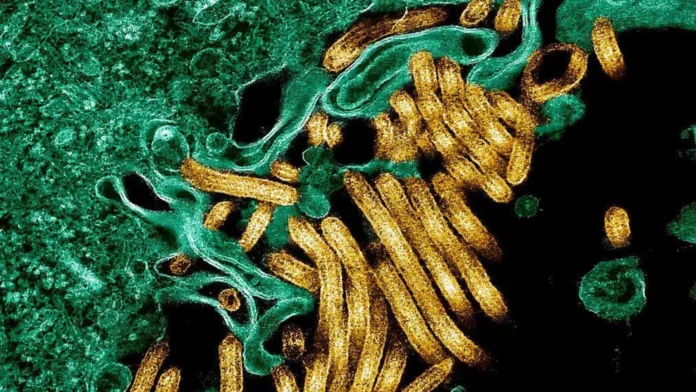
A new Ebola outbreak has been confirmed in eastern Democratic Republic of the Congo, raising concern among health experts as suspected infections and deaths continue to rise in Ituri Province. Authorities say the outbreak is unfolding in areas with intense movement of people, increasing fears of wider transmission across borders.
Highlights
- About 246 suspected Ebola cases have been reported so far.
- At least 65 deaths are linked to the outbreak.
- The outbreak is concentrated in Mongwalu and Rwampara health zones.
- Scientists are investigating whether a non-Zaire Ebola strain is involved.
- Neighboring countries have stepped up surveillance measures.
Main Story
Health authorities in the Democratic Republic of the Congo have confirmed a fresh Ebola outbreak in the country’s eastern region, with Ituri Province emerging as the center of concern.
According to the Africa Centres for Disease Control and Prevention, hundreds of suspected cases have already been recorded, alongside dozens of deaths. While only a small number of fatalities have so far been laboratory-confirmed as Ebola-related, investigations into additional suspected infections are ongoing.
Concerns Over Spread
The outbreak is affecting the Mongwalu and Rwampara health zones, with authorities also monitoring suspected infections in Bunia. Health experts warn that the movement of miners, traders, and residents in the region could make containment efforts more difficult.
Mongwalu, known for its mining activity, experiences frequent travel between towns and neighboring countries, a factor officials believe could accelerate the spread if urgent interventions are not maintained.
Scientists Investigating Virus Strain
Initial laboratory findings indicate the outbreak could involve a non-Zaire strain of the Ebola virus. Genetic sequencing is still underway to determine the exact variant responsible.
This development is important because different Ebola strains may affect treatment approaches and vaccination strategies used during outbreaks.
Regional Response Intensifies
The Africa CDC says it is working closely with neighboring countries including Uganda and South Sudan to strengthen border surveillance and emergency response systems.
Health officials are also urging communities to remain vigilant and report symptoms early. Ebola spreads through direct contact with infected bodily fluids or contaminated materials, and symptoms often include fever, fatigue, vomiting, diarrhea, muscle pain, and in severe cases, internal bleeding.
This latest outbreak marks the 17th time Ebola has been recorded in the Democratic Republic of the Congo since the virus was first identified there in 1976.
Read Also
- Chris Brown Dog Attack Case Takes New Twist Ahead of Trial
- Paris Jackson Scores Major Victory in Michael Jackson Estate Dispute
- US Drops Visa Bonds for FIFA World Cup Ticket Holders

