
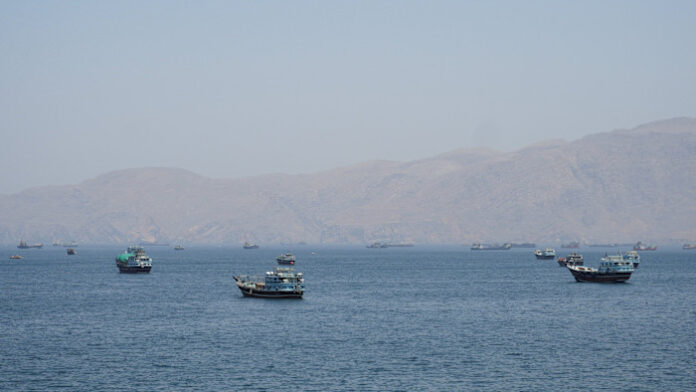
The United Kingdom has announced a major military contribution to an international mission focused on protecting commercial shipping in the Strait of Hormuz, one of the world’s most critical oil transit routes. The move comes as tensions between Iran, the US and allied nations continue to disrupt global trade and fuel prices.
Highlights
- UK to deploy fighter jets, drones and a warship to the Gulf mission
- Over 40 countries expected to participate in the multinational operation
- Strait of Hormuz remains a key global oil shipping route
- Britain says the mission is defensive and aimed at protecting trade
- More than 1,000 UK military personnel already stationed in the region
Main Story
UK Expands Military Presence in Gulf Waters
British Defence Secretary John Healey confirmed that the UK will provide military support to a multinational security operation in the Strait of Hormuz. The announcement was made during a virtual meeting involving defence ministers from allied countries.
According to the UK government, the package will include Typhoon fighter jets for surveillance patrols, naval drones designed to identify and remove sea mines, as well as drone boats and a warship to strengthen maritime security.
The operation is expected to begin once conditions on the ground are deemed stable enough for deployment.
Why the Strait of Hormuz Matters
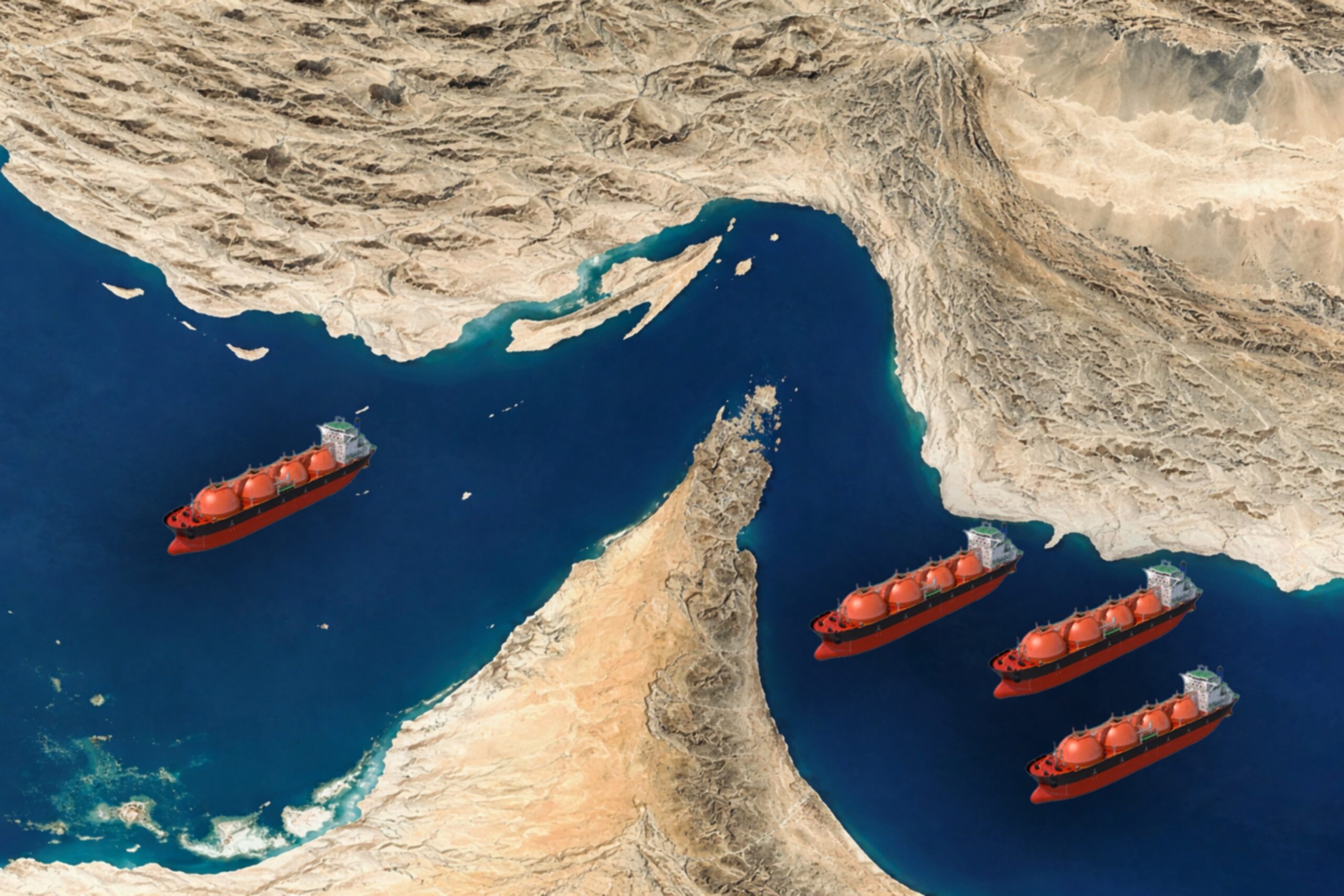
The Strait of Hormuz is considered one of the most strategic waterways in the world, with nearly a fifth of global oil and liquefied natural gas shipments passing through it daily.
Recent months have seen increased instability in the region after Iran tightened control over the waterway following military strikes carried out by the United States and Israel. In response, Washington has reportedly intensified pressure on Tehran through restrictions targeting Iranian ports.
The growing standoff has rattled global energy markets, pushing fuel prices higher and raising fears of further disruptions to international trade.
Ceasefire Still Hanging by a Thread
Although a ceasefire agreement between Iran and the US has technically remained in place since April, uncertainty continues to cloud the situation.
US President Donald Trump recently claimed the truce was surviving on “massive life support,” suggesting tensions between the two countries remain far from resolved.
Both Iran and the US have accused each other of carrying out hostile actions within the Strait of Hormuz, further increasing concerns among international shipping operators.
UK Says Mission Is Defensive
The British Ministry of Defence insists the multinational mission is not intended for offensive operations. Officials say the main goal is to rebuild confidence among commercial shipping companies operating in the Gulf.
The UK and France first revealed plans for the joint security mission last month, with Britain now committing fresh funding worth £115 million toward mine-hunting drones and anti-drone technology.
The ministry also confirmed that over 1,000 British troops are already active in the region under existing military operations, including counter-drone units and fast jet teams.
As world powers continue flexing military muscle in the Gulf, many are now watching to see whether diplomacy can hold long enough to prevent another major global crisis.
Read Also
- US Inflation Hits 3.8% as Iran War Drives Fuel Prices Higher
- Hantavirus Cases Rise to 11 with 3 Deaths in Cruise Ship Outbreak, WHO Confirms
- Inside Trump’s China Trip and the Global Impact It May Trigger

