
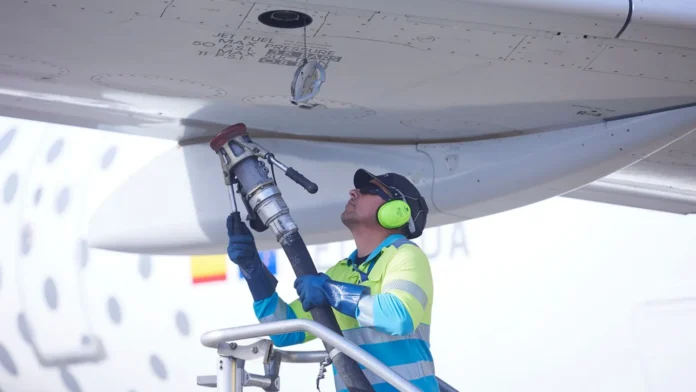
European airlines and airport operators are raising urgent concerns over a fast-developing fuel crisis, warning that a continued closure of the Strait of Hormuz could trigger jet fuel shortages within weeks. The disruption, linked to escalating tensions in the Middle East, is already sending shockwaves through global aviation, with potential knock-on effects on fares, schedules, and international travel.
Highlights
- Airlines warn jet fuel shortages could emerge within 3 weeks
- Strait of Hormuz closure disrupts key global oil supply route
- Jet fuel prices have surged sharply, increasing airline costs
- Flight cancellations and schedule cuts already being considered
- Ripple effects expected across global travel and inflation
Main Story
A Critical Energy Chokepoint Under Pressure
The Strait of Hormuz remains one of the world’s most important energy transit points, with roughly a fifth of global oil shipments passing through it. Its disruption has quickly escalated into a serious supply chain issue, particularly for Europe, which depends heavily on imported fuel.
Industry warnings suggest that the closure has already begun restricting access to refined products, especially jet fuel sourced from Gulf refineries.
Airlines Sound the Alarm
European aviation stakeholders, including Airports Council International Europe, are warning that the situation could escalate into a “systemic jet fuel shortage” within a matter of weeks if supply routes are not restored.
Some reports indicate that airlines are already adjusting schedules, cancelling selected flights, and preparing for broader operational cuts if conditions worsen.
Rising Costs and Operational Strain
Fuel costs are climbing rapidly, with jet fuel prices reportedly more than doubling in certain markets since the disruption began. This surge is placing immense pressure on airline profitability.
As a result, carriers are considering:
- Cutting less profitable routes
- Reducing flight frequency
- Passing costs to passengers through higher fares
Budget airlines, in particular, may be forced to scale back operations to remain viable.
Airports Begin Preparing for Shortages
Some European airports are already tightening fuel distribution measures as precautionary steps. With limited supply expected in the coming weeks, rationing systems and prioritization strategies are being considered to manage demand.
The aviation sector is now bracing for possible widespread disruptions during peak travel periods.
Global Ripple Effects
The impact extends beyond aviation. Rising oil and fuel prices are feeding into broader inflation pressures, affecting transport, manufacturing, and even food supply chains.
Experts warn that even if the Strait reopens soon, restoring stable global supply could take months due to logistical backlogs and market instability.
Read Also
- TV for dogs booms but are they watching?
- Kagwe Pushes Urgent Reforms to Protect Jobs and Grow Local Food Production
- Star Matonya Charged with Rape in Mombasa Court

