
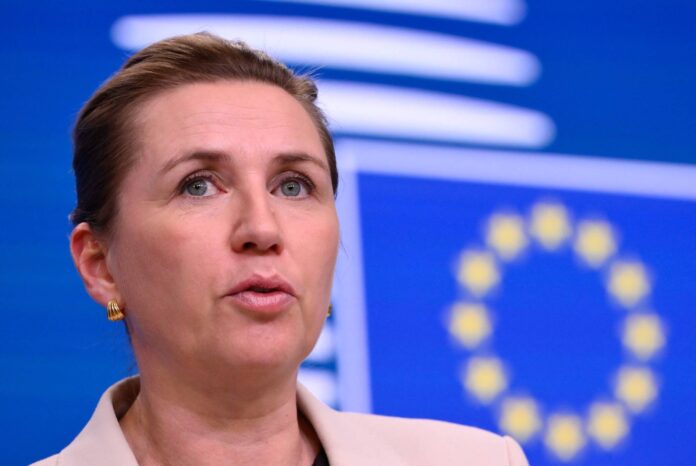
Denmark’s political scene has been thrown into uncertainty after Prime Minister Mette Frederiksen suffered a major setback in the latest general election. While her party still leads, the results have exposed cracks in her support, setting the stage for intense negotiations that will determine whether she remains in power.
Highlights:
- Frederiksen’s party recorded its poorest performance in decades
- No single bloc secured a governing majority
- Coalition talks are now crucial to forming the next government
- A centrist party holds decisive influence
- Frederiksen is pushing for a broad-based coalition
Main Story:
A Win That Feels Like a Loss
Although the Social Democrats finished as the largest party, the outcome was far from convincing. The drop in voter support marked a historic low for the party, signaling growing frustration among Danes over key issues such as the economy and leadership decisions.
For Frederiksen, the result is a wake-up call, one that has weakened her authority both within her party and across the political divide.
A Divided Parliament
The election delivered no clear winner, with both left-leaning and right-leaning blocs failing to secure enough seats to form a government independently. This has left Denmark facing a hung parliament, where compromise is no longer optional but necessary.
The fragmented outcome reflects a shifting political landscape, with voters spreading their support across multiple parties rather than rallying behind traditional alliances.
The Kingmaker Role
Attention has now turned to Lars Løkke Rasmussen, whose centrist Moderates party could decide the direction of the next government. Holding a strategic number of seats, he is in a powerful position to back either side, or push for a new kind of coalition altogether.
His decision could either extend Frederiksen’s time in office or bring her leadership to an abrupt end.
A Tough Negotiation Phase
Frederiksen has signaled her willingness to work across political lines, calling for unity and stability. However, forming such a coalition won’t be easy. Some opposition leaders remain hesitant to partner with her, citing past disagreements and trust issues.
With stakes this high, negotiations could stretch for weeks, as parties weigh their options and attempt to strike a workable deal.
What Lies Ahead
The coming days will be critical for Denmark’s future leadership. Whether Frederiksen manages to build a coalition or is forced to step aside will depend on her ability to negotiate and rebuild trust across the aisle.
For now, the country watches as political leaders engage in behind-the-scenes talks that could reshape its leadership.
In a divided parliament, leadership isn’t just about votes, it’s about who can build bridges when it matters most.
Read Also:
- Ghana Pushes Historic UN Vote for Slave Trade Reparations
- US Court Slams Meta With $375M Penalty in Child Safety Case

