
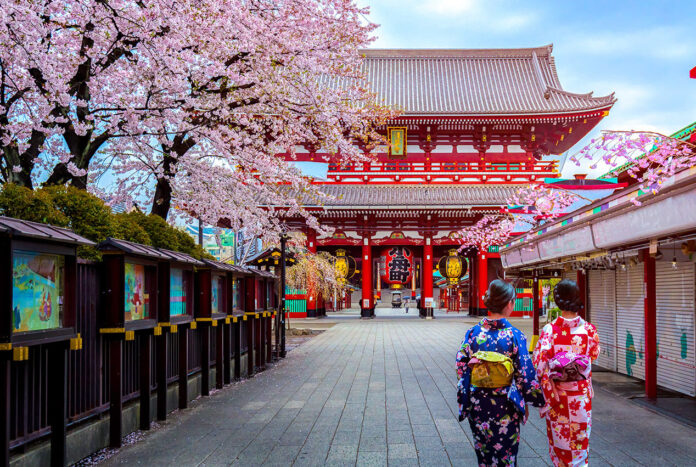
Japan’s charm goes far beyond its neon-lit cities and historic temples; it’s the small, everyday habits that leave the biggest impression. From spotless streets to quiet public spaces, understanding Japan’s social etiquette can transform your trip from confusing to seamless.
Highlights:
- Japanese culture values respect, cleanliness, and group harmony
- Simple etiquette mistakes can unintentionally offend locals
- Tipping is not practiced and can cause confusion
- Public behavior, especially on transport, is expected to be quiet
- Food etiquette, including chopstick use, is taken seriously
Main Story:
Why Etiquette Matters in Japan
Japan is widely admired for its order, cleanliness, and respect-driven culture. While many visitors are drawn to its mix of tradition and modernity, what often stands out most is how people conduct themselves in everyday life.
Understanding a few unwritten rules can go a long way in helping travellers avoid awkward moments and show respect to locals.
1. Mind Your Chopsticks
Chopsticks are central to Japanese dining, but using them incorrectly can send the wrong message. Avoid sticking them upright in rice or passing food from one pair to another; both actions are linked to funeral customs. When not in use, place them neatly on a rest or across your bowl.
2. Slurping Is Totally Fine
Unlike in many countries, slurping noodles is encouraged. Whether you’re enjoying ramen or udon, the sound signals appreciation and even enhances the eating experience.
3. Learn a Few Key Phrases
While English is understood in many areas, using simple Japanese phrases like “sumimasen” (excuse me) can make interactions smoother and more respectful, especially in restaurants.
4. Don’t Tip
Tipping is not part of Japanese culture. Great service is considered standard, so leaving extra money may actually confuse staff rather than please them.
5. Finish Your Food
Leaving food behind is generally seen as wasteful. Order what you can finish, as taking leftovers home is not common practice.
6. No Need to Reply to Greetings
When entering shops or restaurants, staff will greet you loudly with “irasshaimase.” It’s simply a welcome; no response is expected. A polite nod or smile is enough.
7. Keep It Quiet in Public
Public transport in Japan is calm and quiet. Phone calls and loud conversations are discouraged, so keep your voice low and your phone on silent.
8. Be Mindful When Eating Outside
Eating while walking or on public transport is frowned upon. It’s better to eat near where you purchased your food or find a designated spot like a bench.
9. Carry Your Rubbish
Public bins are rare because people are expected to take their waste home. If needed, you can find bins at convenience stores or train stations.
10. Follow Local Escalator Rules
Escalator etiquette varies by region. In cities like Tokyo, people stand on the left, while in Osaka, they stand on the right. When unsure, just follow the crowd.
Bonus: Onsen Etiquette
Hot springs, known as onsen, are a key part of Japanese culture. Visitors are expected to bathe nude and wash thoroughly before entering. Some locations may have restrictions for tattoos, though this is gradually changing.
Read Also:
- Chelsea Hit With Sh1.8 Billion Fine Over Secret Payments Scandal
- ‘I Won’t Let Conmen Take Over’ – Ruto Speaks on Nairobi Hospital Saga
- Heavy Rains Set to Hit Kenya From Thursday, Met Department Warns

