
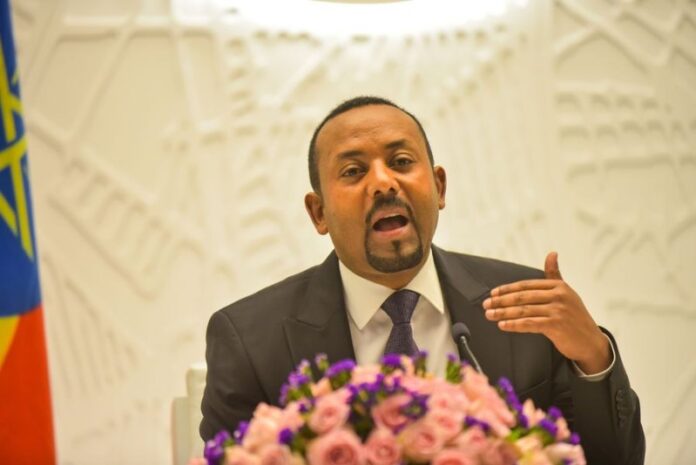
Ethiopian Prime Minister Abiy Ahmed has tightened his grip on power after a commanding election victory, but instead of celebration, growing fears of instability and renewed conflict are casting a long shadow over the country’s future.
Highlights:
- Abiy Ahmed’s party wins overwhelming majority in parliament
- Election marred by insecurity and low opposition participation
- Rising tensions in Tigray, Amhara, and Oromia regions
- Fears of renewed conflict despite 2022 peace agreement
- Regional dynamics with Eritrea and Sudan add to uncertainty
Main Story:
A Dominant Victory with Lingering Doubts
Ethiopia’s ruling Prosperity Party has emerged victorious with a massive parliamentary majority, securing Abiy Ahmed another term in office. While supporters see this as a continuation of economic progress, critics argue the political landscape remains deeply fractured.
The election itself was held under difficult conditions, with several polling stations unable to open due to security threats and opposition groups largely absent from the process.
From Reformist to Controversial Leader
Abiy rose to power in 2018 amid public demand for change and quickly gained global recognition, even earning the Nobel Peace Prize for reconciling with Eritrea. However, his leadership has since become increasingly polarising, particularly following the devastating conflict in Tigray.
What was once seen as a unifying presidency is now viewed by some as a source of division.
Conflict Hotspots Raise Alarm
Violence and unrest continue to simmer across key regions, including Amhara and Oromia, where armed groups have rejected the legitimacy of the election.
In Tigray, tensions remain high despite a peace deal signed in 2022. The region was excluded from the vote entirely, fueling concerns that unresolved grievances could trigger another round of fighting.
Regional Tensions Complicate the Picture
Ethiopia’s strained relationship with Eritrea has taken a new turn, with shifting alliances adding complexity to an already fragile situation. Meanwhile, allegations of involvement in Sudan’s ongoing conflict have further heightened regional concerns.
These overlapping tensions have raised fears that any internal conflict could quickly spill across borders.
A Fragile Peace at Risk
Analysts warn that while a full-scale war may not be immediate, the current climate remains volatile. Accusations between the federal government and Tigrayan leaders continue, with both sides suspected of preparing for potential confrontation.
International players have already called for de-escalation, warning that the situation could deteriorate if tensions are not addressed.
What Lies Ahead?
As Abiy prepares to begin his new term, the challenge will be balancing political power with the urgent need for stability. The coming months are expected to be critical in determining whether Ethiopia moves toward lasting peace or slips back into conflict.

