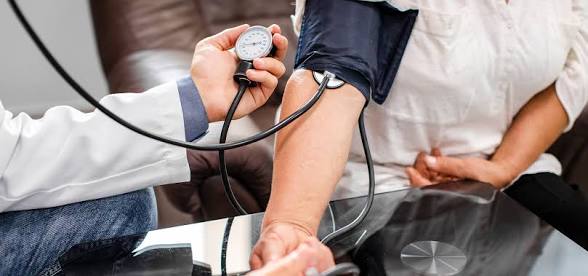
It’s easy to ignore something you can’t feel but that’s exactly what makes hypertension so dangerous. Often developing quietly, high blood pressure is becoming a major health concern, especially among young adults, as lifestyle habits continue to shift.
Highlights
- Hypertension is a condition where blood pressure remains consistently high
- It increases the risk of heart disease, stroke, and kidney failure
- Most people don’t experience symptoms until complications arise
- Lifestyle habits play a major role in both causes and prevention
- Treatment includes lifestyle changes and medication
Main Story
What is Hypertension?
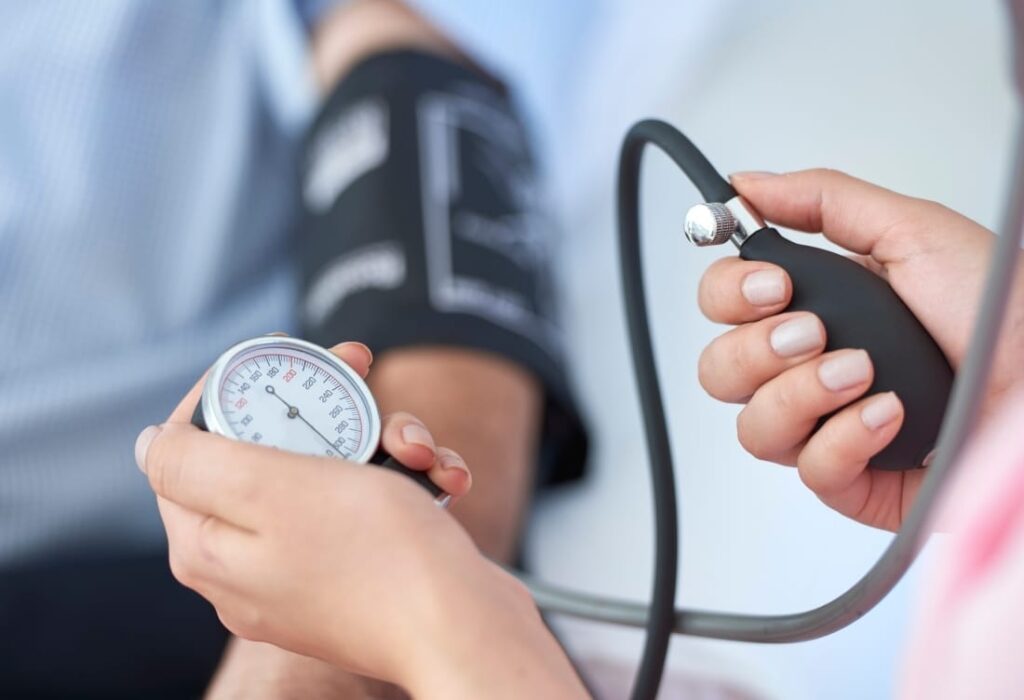
Hypertension, commonly known as high blood pressure, occurs when the force of blood flowing through the arteries stays elevated over time. A normal reading is around 120/80 mmHg, while consistent readings above 130/80 mmHg indicate a problem.
Why It’s a Serious Health Risk
What makes hypertension especially dangerous is its silent nature. Many people live with it for years without realizing it. During that time, it slowly damages blood vessels and vital organs.
If left unmanaged, it can lead to:
- Heart attacks
- Stroke
- Kidney damage
- Vision loss
The condition gradually weakens arteries, making them less flexible and more prone to blockage.
What Causes It?
There are two main types of hypertension:
Primary hypertension develops over time and is often linked to lifestyle and genetics.
Secondary hypertension is caused by underlying conditions such as kidney disease or illnesses like Diabetes, as well as certain medications.
Risk Factors to Watch
Several everyday habits can increase the chances of developing high blood pressure, including:
Are There Any Symptoms?
In most cases, there are no clear warning signs. However, severe cases may present symptoms like headaches, dizziness, chest pain, or shortness of breath.
Treatment and Control
The good news is that hypertension can be managed effectively.
Lifestyle changes are the first step:
- Eat healthier foods
- Stay physically active
- Reduce salt intake
- Maintain a healthy weight
If needed, doctors may prescribe medications such as Amlodipine, Lisinopril, or Hydrochlorothiazide to help control blood pressure.
- Young Kenyans Are Redefining Wellness and Self-Care
- Digital Detox: Why Taking a Break From Social Media Matters
- From Hustle to Health: Finding Balance in a Fast-Paced World
Sometimes the biggest health threats are the ones you don’t feel so when was the last time you checked your blood pressure?

