
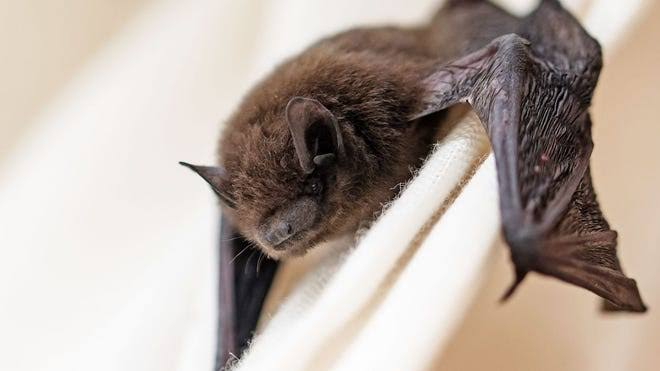
A heartbreaking case in Canada has highlighted the deadly danger of rabies after an 11-year-old boy died months after a bat landed on his face while he slept. The child initially showed no visible bite marks, prompting his family not to seek medical treatment immediately a decision that proved fatal once symptoms of the virus appeared.
Highlights
- An 11-year-old Canadian boy died after being exposed to rabies from a bat.
- The bat landed on his nose and mouth while he slept at a family cottage.
- The family did not seek immediate medical care because there were no visible bite marks.
- Symptoms appeared nearly three weeks later and rapidly worsened.
- Health experts say rabies is almost always fatal once symptoms develop.
Main Story
A Tragic Night That Changed Everything
The tragic incident occurred during a family trip to a cottage in Ontario in 2024.
According to a report published in the Canadian Medical Association Journal, the boy woke up after feeling a bat on his nose and mouth. He quickly brushed the animal away, and his father caught it in a container before releasing it outside.
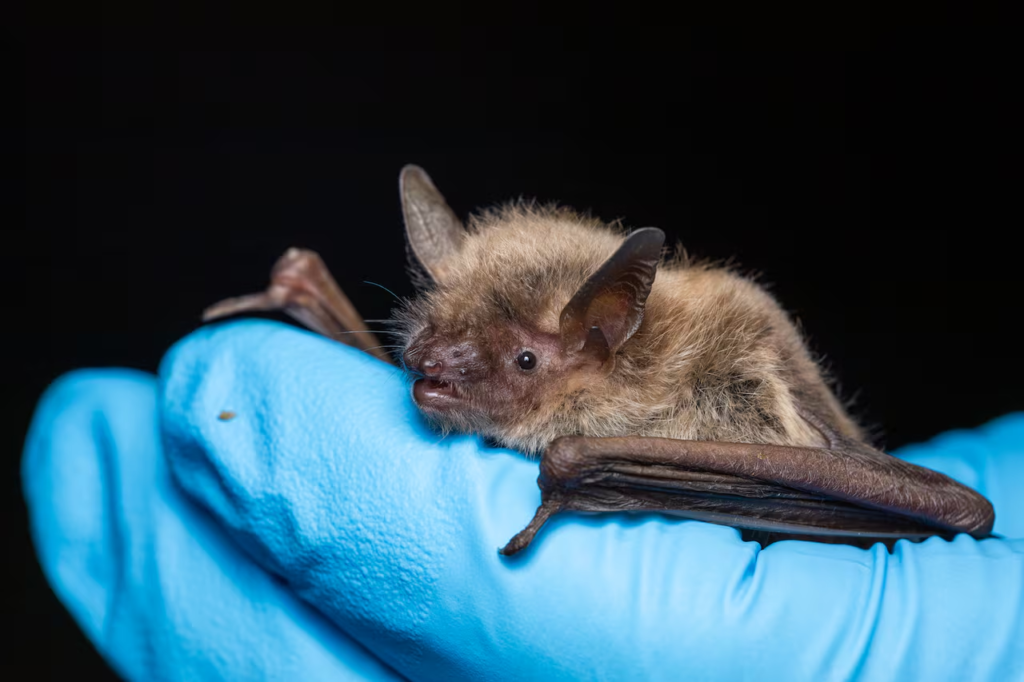
Since the child did not appear to have any injuries and the bat did not seem aggressive, the family believed there was no immediate cause for concern and did not seek medical attention.
Symptoms Appeared Weeks Later
Nineteen days after the encounter, the boy began experiencing numbness and swelling on one side of his face.
His condition gradually worsened, prompting visits to an emergency clinic and later a hospital.
Doctors initially suspected other illnesses, including Bell’s palsy and a viral mouth infection, and treated him accordingly.
However, his health deteriorated rapidly. He developed a high fever, difficulty swallowing, confusion, and visual hallucinations before being admitted to intensive care.
Rabies Diagnosis Confirmed
Medical specialists later suspected rabies, and laboratory tests confirmed the diagnosis.
Further testing identified the virus as a bat-associated strain of rabies.
Despite intensive medical care, the boy died 17 days after being admitted to hospital.
Why Rabies Is So Dangerous
Rabies is a viral disease that attacks the brain and nervous system. It spreads through the saliva of infected animals, usually via bites or scratches, but even minor contact with bats can pose a serious risk because their bites may be too small to notice.
Health experts warn that once symptoms begin, rabies is almost always fatal.
However, the disease can usually be prevented if a person receives post-exposure prophylaxis (PEP)a series of rabies vaccinations and, in some cases, rabies immunoglobulin immediately after possible exposure.
What To Do After Contact With a Bat
Health authorities advise anyone who has direct contact with a bat to seek urgent medical attention, even if there are no visible bite marks or scratches.
Immediate medical evaluation can determine whether preventive treatment is necessary and may save a person’s life.
Rabies Remains Rare but Deadly
Human rabies cases are uncommon in Canada thanks to widespread animal vaccination programmes and public health measures.
However, experts stress that the disease remains one of the deadliest viral infections in the world and should never be underestimated.
Sometimes the smallest encounter can carry the biggest risk. Health experts say that after any direct contact with a bat, seeking immediate medical care could mean the difference between life and death.

