
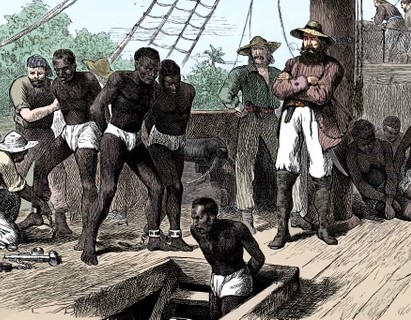
Ghana is leading a bold campaign at the United Nations, demanding that the transatlantic slave trade be officially recognised as one of history’s gravest crimes. Spearheaded by President John Dramani Mahama, the resolution calls for reparations, including financial compensation, formal apologies, and the return of stolen cultural artifacts, a move that could redefine global conversations on historical justice.
Highlights:
- Ghana’s UN resolution seeks global recognition of the transatlantic slave trade as a major human rights crime.
- Reparatory demands include monetary compensation, apologies, and restitution of stolen artifacts.
- Brazil and other nations have publicly endorsed Ghana’s initiative, showing rising international support.
- Western powers like the U.S. and EU signal they may oppose the resolution.
- African Union leaders are coordinating a continent-wide push for reparatory justice.
Main Story:
Ghana’s Historic UN Push
At the heart of Ghana’s campaign is a draft resolution aiming to highlight the enduring impact of the transatlantic slave trade. The proposal urges former colonial powers to acknowledge their role, offer formal apologies, provide financial restitution, and return cultural artifacts taken during slavery. President John Dramani Mahama has framed the effort as a moral imperative, linking historical injustice to ongoing global inequalities.
Ghana’s Foreign Ministry, alongside allied countries, has positioned the vote as a call for international accountability. Support has begun to build, with leaders like Brazil’s president openly endorsing Ghana’s initiative ahead of the UN General Assembly vote.
Africa’s Coordinated Reparations Effort
Ghana is not alone in this push. African leaders, under the African Union’s guidance, have been collaborating on strategies to pursue reparatory justice. Last year, Ghana, as the AU Champion for Reparations, rallied African nations at the UN to demand recognition, accountability, and compensation for colonial-era crimes.
Legal avenues are also being explored, inspired by precedents such as the Chagos Islands ruling, which demonstrated that international courts could hold powerful nations accountable for historical injustices.
Global Politics and Resistance
Despite growing support from the Global South, the initiative faces opposition from major Western powers. The United States and the European Union have indicated they are unlikely to back the resolution. At the UN, President Mahama also criticised what he described as attempts in the U.S. to erase Black history, linking cultural marginalisation to the larger fight for reparatory justice.
Why It Matters
This UN vote is about more than compensation it’s about placing reparatory justice at the center of international human rights discussions. If passed, Ghana’s resolution could set a global precedent, prompting nations to confront the lingering legacies of slavery and colonialism.
Read Also:
- LSK Demands Urgent Action After Kericho Cemetery Discovery
- Beginner’s Blueprint: How to Start Forex Trading in Kenya
- Sonko Steps In: Ex-Governor Visits Acid Attack Victim, Offers Full Support

